
What's Happening?
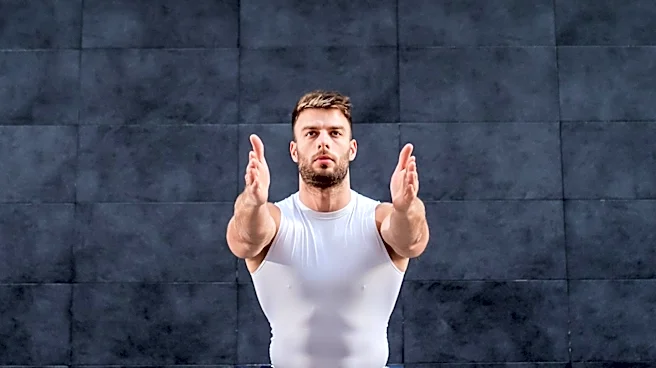
YouTuber Josh Hash, known for his channel Strength Side, embarked on a 30-day fitness challenge where he completed 100 bodyweight squats daily. Initially skeptical about the effectiveness of bodyweight exercises
compared to traditional weightlifting, Hash sought to explore the potential benefits of high-repetition, low-weight training. Throughout the challenge, he aimed to complete the squats in under five minutes, a task that proved more challenging than anticipated due to his initial lack of muscular endurance. Over the course of the month, Hash observed significant improvements in his endurance and strength, noting that by the end of the challenge, he could perform the squats with greater ease and efficiency.
Why It's Important?
This challenge underscores the potential of bodyweight exercises to enhance muscular endurance and strength without the need for heavy weights. Hash's experience suggests that high-repetition exercises can lead to practical strength gains that are applicable to everyday activities, such as carrying a child. The emphasis on endurance and connective tissue strength is particularly relevant for those seeking functional fitness and injury prevention. This approach to fitness may appeal to individuals looking for minimalistic and accessible workout routines that do not require gym equipment.
What's Next?
Following the success of his squat challenge, Hash may continue to explore other bodyweight exercises to further test their effectiveness in building strength and endurance. His findings could inspire others to adopt similar fitness routines, potentially leading to a broader acceptance of bodyweight training as a viable alternative to traditional weightlifting. Fitness enthusiasts and trainers might also consider incorporating high-repetition exercises into their programs to enhance endurance and functional strength.
Beyond the Headlines
The challenge highlights a shift in fitness culture towards valuing endurance and functional strength over sheer muscle mass. This approach aligns with a growing interest in sustainable and holistic fitness practices that prioritize long-term health and injury prevention. As more individuals seek to integrate fitness into their daily lives, bodyweight exercises offer a practical solution that can be performed anywhere, without the need for specialized equipment.