
What's Happening?
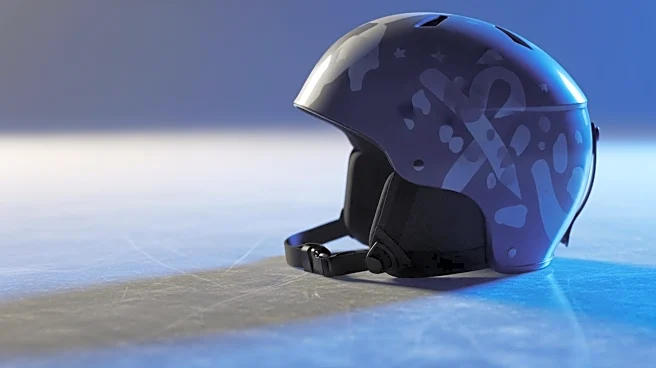
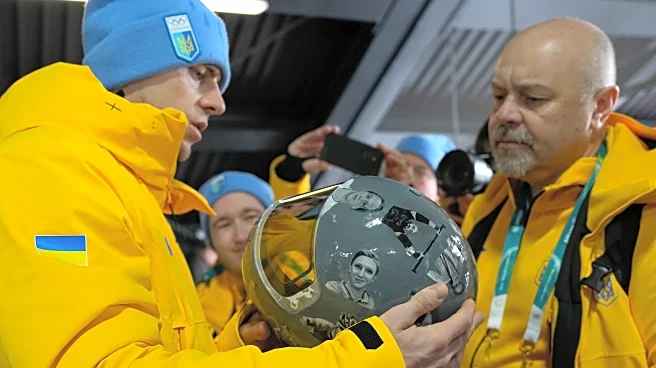
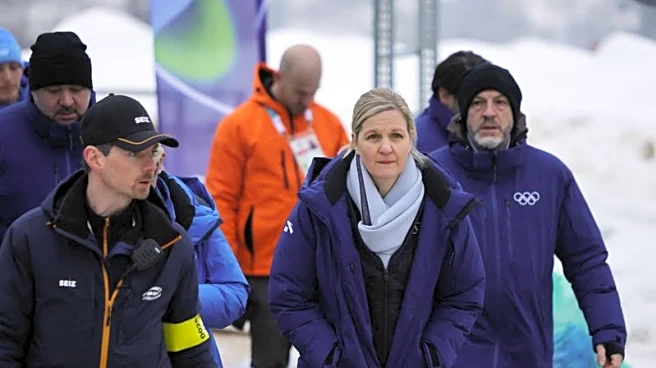
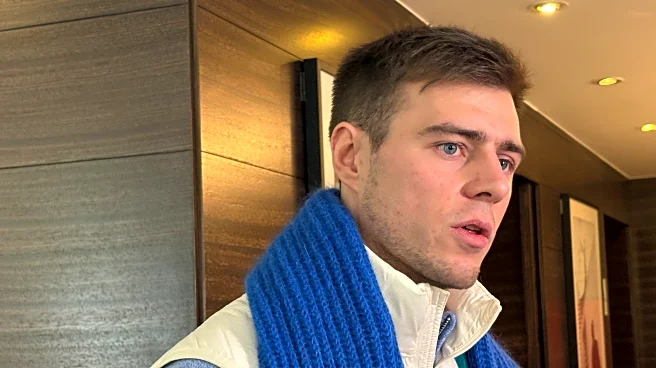
The Court of Arbitration for Sport (CAS) has upheld the disqualification of Ukrainian skeleton athlete Vladyslav Heraskevych from the Milan Cortina Olympic Games. Heraskevych was disqualified for wearing a helmet that featured images of Ukrainian athletes killed in the war against Russia, which the International Olympic Committee (IOC) deemed a violation of its policy against athlete expression on the field of play. Despite meetings with IOC officials, including President Kirsty Coventry, Heraskevych's appeal was denied. The CAS arbitrator expressed sympathy for Heraskevych's cause but ultimately sided with the IOC's decision. Heraskevych had worn the helmet during a training run and intended to use it throughout the competition.
Why It's Important?
This decision
highlights the ongoing tension between athletes' rights to free expression and the IOC's regulations designed to maintain political neutrality in sports. The ruling underscores the challenges faced by athletes who wish to use their platform to raise awareness about political or humanitarian issues. For Heraskevych, the helmet was a tribute to fallen compatriots and a statement against the ongoing conflict in Ukraine. The disqualification has sparked discussions about the role of sports in political discourse and the limits of athlete expression. It also brings attention to the broader impact of the Ukraine conflict on international events and the solidarity shown by athletes and fans.
What's Next?
Following the disqualification, Heraskevych has received significant support from fans and fellow athletes, with some expressing disappointment in the ruling. Ukrainian President Volodymyr Zelensky awarded Heraskevych the Order of Liberty for his actions. The incident may prompt further debate within the IOC about its policies on athlete expression, especially in light of global conflicts. It remains to be seen if this case will lead to any policy changes or if similar incidents will occur in future international competitions.