





What's Happening?
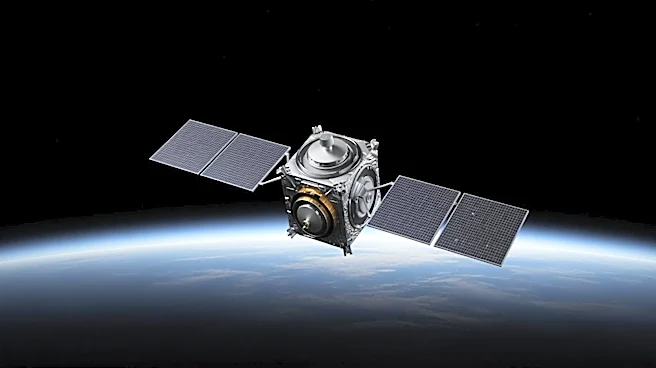
Blue Origin's recent mission to deploy a satellite for AST SpaceMobile encountered a significant issue when the payload was placed into an incorrect orbit. The New Glenn rocket, which was expected to deliver the satellite into a 285-mile orbit, only managed
to reach about 95 miles. This altitude is insufficient for the satellite's boosters to maintain its orbit, leading to plans for its deorbiting and destruction. Despite the successful performance of the rocket's first stage, the upper stage failed to provide the necessary thrust during a critical phase, resulting in the satellite's misplacement.
Why It's Important?
This incident marks a setback for Blue Origin as it attempts to establish itself in the commercial space launch market. The failure to deliver the satellite as planned could impact the company's reputation and future business prospects, especially as it competes with established players like SpaceX. The grounding of the New Glenn vehicle by the FAA for a safety review further complicates Blue Origin's launch schedule, potentially delaying other missions and affecting clients relying on its services. The situation underscores the challenges and risks inherent in space exploration and commercial satellite deployment.
What's Next?
Blue Origin will lead an investigation under FAA oversight to determine the root cause of the mishap and implement corrective actions. The duration of the grounding is uncertain and could affect the company's 2026 and 2027 plans, including the deployment of Amazon's satellite broadband network. AST SpaceMobile, despite the setback, plans to continue its satellite network expansion with regular launches. The outcome of the investigation and subsequent actions will be crucial in restoring confidence in Blue Origin's capabilities and maintaining its competitive edge in the space industry.