





What's Happening?
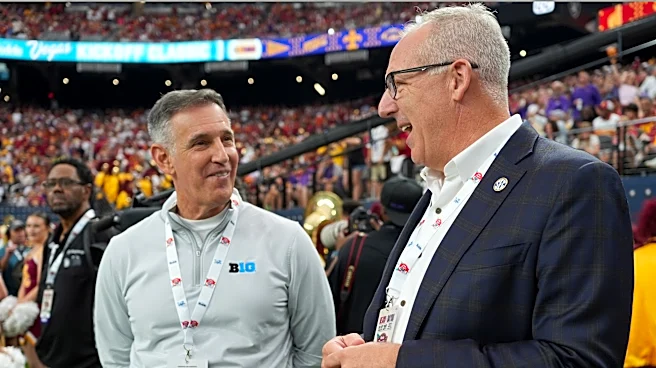
The Southeastern Conference (SEC) and the Big Ten, two of the largest and most influential college sports conferences, have announced their decision not to support the current version of a bipartisan bill aimed at regulating the college sports industry.
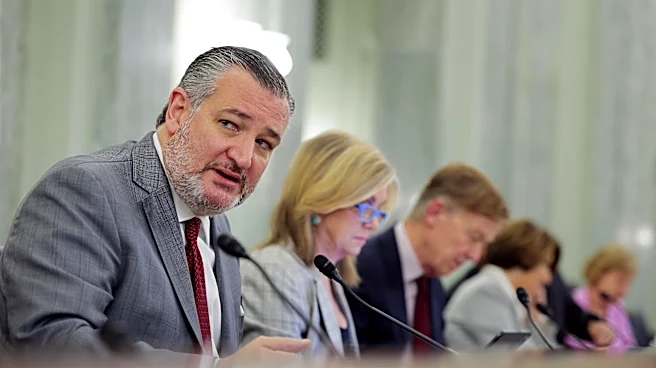
The bill, drafted by Senator Ted Cruz and Senator Maria Cantwell, seeks to address the rapidly evolving landscape of college sports, where some athletes are now earning significant income. The SEC and Big Ten have expressed concerns that the bill does not adequately resolve critical issues, particularly the lack of meaningful preemption of state laws by a federal standard. This preemption is seen as essential for gaining the support of the NCAA and the conferences. The announcement from the SEC and Big Ten comes just before a scheduled Senate Commerce Committee hearing on the bill, which is chaired by Senator Cruz with Senator Cantwell as the ranking Democrat. While the bill has received backing from the Big 12 and Atlantic Coast Conferences, the SEC and Big Ten's opposition is significant due to their financial influence and decision-making power in college sports.
Why It's Important?
The stance taken by the SEC and Big Ten is crucial as these conferences wield considerable influence over the future of college sports, including the College Football Playoff. Their opposition to the bill highlights the complexities involved in creating a unified regulatory framework for college sports, especially in an era where athletes can earn money through name, image, and likeness (NIL) deals. The lack of support from these major conferences could hinder the bill's progress and impact efforts to establish a consistent national standard. This situation underscores the ongoing challenges in balancing state and federal regulations in the sports industry, which could affect the financial and operational dynamics of college sports programs across the country.
What's Next?
The upcoming Senate Commerce Committee hearing will be a critical moment for the bill's future. Stakeholders, including lawmakers, college sports administrators, and athletes, will likely continue to debate the merits and shortcomings of the proposed legislation. The SEC and Big Ten's position may prompt further revisions to the bill to address their concerns, particularly regarding the preemption of state laws. The outcome of these discussions could shape the regulatory landscape of college sports, influencing how media rights are managed and how athletes are compensated. The involvement of influential conferences like the SEC and Big Ten suggests that any legislative changes will need to carefully consider the interests of these powerful entities.