







What's Happening?
DAT-CON, a company specializing in counter-UAS surveillance technologies, has been added to the global supplier ecosystem of Unmanned Systems Technology (UST). The company provides advanced mobile and stationary observation systems and integrated security
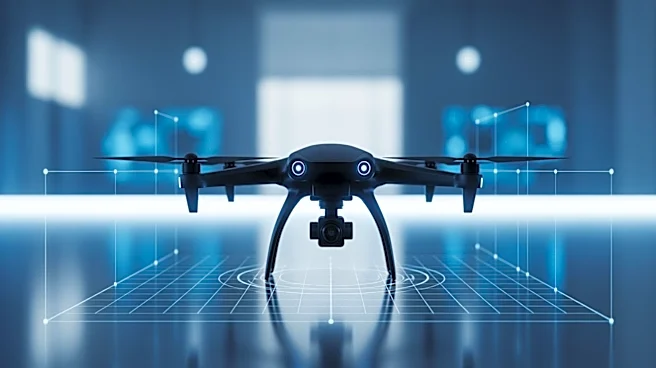
solutions designed to enhance situational awareness for airspace, coastal, and border protection. DAT-CON's systems are deployed across various operational environments, including airspaces, coastal regions, land borders, ports, airports, and critical infrastructure facilities. Their technologies have been utilized by organizations such as the Turkish Coast Guard Command, the Hellenic Coastguard, and several EU member states' Ministries of Interior. Key products include the LYNX Anti-Drone System, mobile counter-UAS surveillance systems, and multi-sensor observation systems, all designed for reliable performance in harsh conditions.
Why It's Important?
The inclusion of DAT-CON in UST's global supplier ecosystem underscores the growing demand for sophisticated counter-UAS technologies amid increasing security concerns. As drone technology becomes more accessible, the potential for misuse in sensitive areas like airports and critical infrastructure has risen, necessitating advanced surveillance and mitigation solutions. DAT-CON's technologies offer comprehensive threat detection and mitigation capabilities, which are crucial for defense, security, and law enforcement agencies. This development highlights the importance of international collaboration in enhancing security measures and protecting critical infrastructure from emerging threats.
What's Next?
As DAT-CON continues to expand its reach within the global supplier ecosystem, it is likely to see increased demand for its counter-UAS solutions. The company may focus on further developing its technologies to address evolving threats and meet the specific needs of different regions. Additionally, partnerships with other security and defense organizations could enhance the effectiveness and deployment of their systems. Stakeholders such as government agencies and private security firms may closely monitor these developments to integrate advanced counter-UAS solutions into their security protocols.
Beyond the Headlines
The integration of advanced counter-UAS technologies like those offered by DAT-CON could lead to broader implications for privacy and civil liberties. As surveillance capabilities expand, there may be increased scrutiny over how these technologies are used and regulated. Balancing security needs with privacy rights will be a critical consideration for policymakers and industry leaders. Furthermore, the development and deployment of such technologies could drive innovation in related fields, potentially leading to new applications and industries focused on security and surveillance.