







What's Happening?
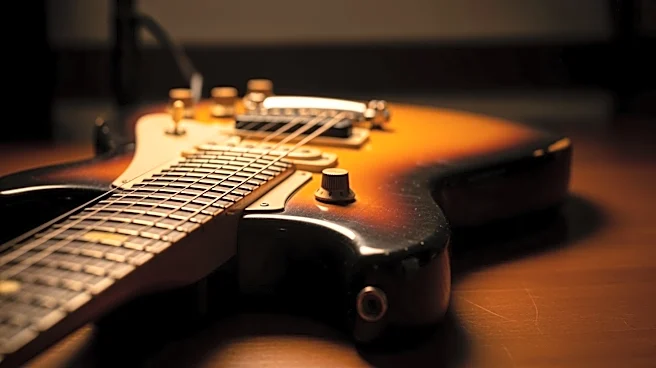
A guitar used by Noel Gallagher to write Oasis's second album, '(What's the Story) Morning Glory?', is set to be auctioned at Sotheby's. This album, which became the bestselling British album of the 1990s, includes hits like 'Wonderwall' and 'Don't Look
Back in Anger'. The guitar, an Epiphone EJ-200 acoustic, is expected to fetch between $60,000 and $80,000. It comes with a letter of authenticity confirming its use during the album's creation, which was completed in just 15 days. The auction will also feature a handwritten lyric sheet for 'Don't Look Back in Anger' and a Rickenbacker 12-string guitar used by Gallagher for a decade.
Why It's Important?
The auction of Noel Gallagher's guitar highlights the enduring legacy and cultural impact of Oasis's music. '(What's the Story) Morning Glory?' not only defined a generation but also played a significant role in the 'Battle of Britpop' against Blur, a rivalry that captivated the music world in the 1990s. The sale of such iconic memorabilia underscores the lasting value and influence of the band in the music industry. For collectors and fans, owning a piece of this history is akin to possessing a 'holy grail', reflecting the significant appreciation of musical instruments with historical provenance.
What's Next?
The auction, opening for online bidding on April 9, is expected to attract significant interest from collectors and fans worldwide. The outcome could set a precedent for the valuation of similar music memorabilia in the future. As the auction approaches, it may also reignite interest in Oasis's music and the Britpop era, potentially influencing current music trends and sparking renewed discussions about the band's impact on the music industry.
Beyond the Headlines
The auction of Gallagher's guitar not only celebrates the musical achievements of Oasis but also highlights the broader cultural shifts of the 1990s. The 'Battle of Britpop' was more than just a musical rivalry; it was a reflection of class and cultural dynamics in the UK. The enduring interest in such memorabilia suggests a nostalgia for this era and its music, which continues to resonate with audiences today. This event may also prompt discussions about the preservation and commercialization of music history.