



What's Happening?
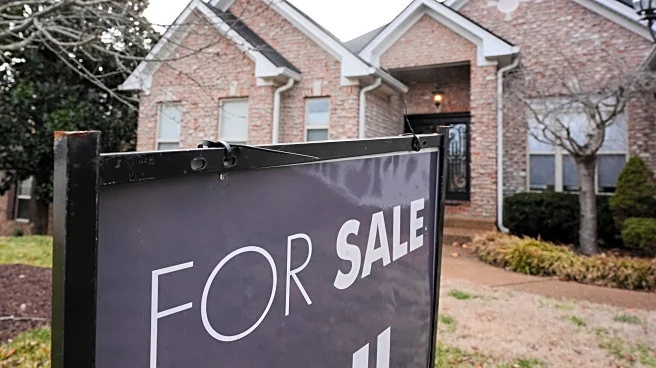
Middle-income households in the U.S. have seen an increase in their home buying power by approximately $30,000 compared to a year ago, according to a Zillow report. This improvement is attributed to a slight decrease in mortgage rates, which have fallen
from 6.79% to 6.14%. Despite this gain, the median price of a single-family home remains at $400,300, making affordability a persistent issue. The report highlights that while interest rates have eased, home values have risen faster than incomes, creating a challenging environment for potential buyers.
Why It's Important?
The increase in buying power for middle-income households is a positive development, yet it underscores the broader issue of housing affordability. As home prices continue to outpace income growth, many potential buyers remain priced out of the market. This situation is exacerbated by a constrained housing inventory, which could drive prices higher as demand increases. The disparity between income growth and home price appreciation highlights the need for policy interventions to address housing affordability and support sustainable market growth.
What's Next?
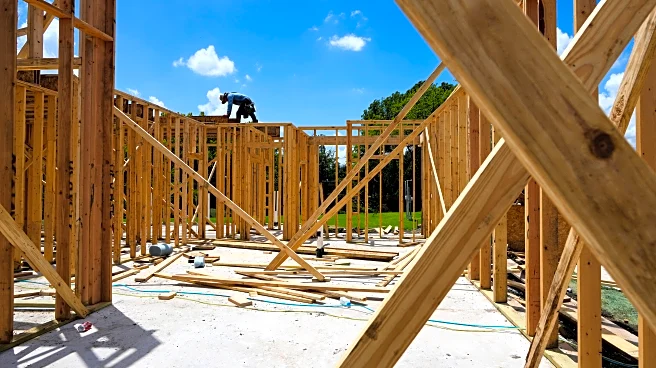
As the housing market evolves, stakeholders will need to address the ongoing affordability challenges. Potential policy measures could include incentives for new construction, particularly in affordable housing segments, to increase supply and stabilize prices. Additionally, monitoring mortgage rate trends will be crucial, as further rate reductions could enhance affordability and expand the pool of potential buyers. The interplay between interest rates, home prices, and inventory levels will continue to shape the housing market landscape.