
What's Happening?
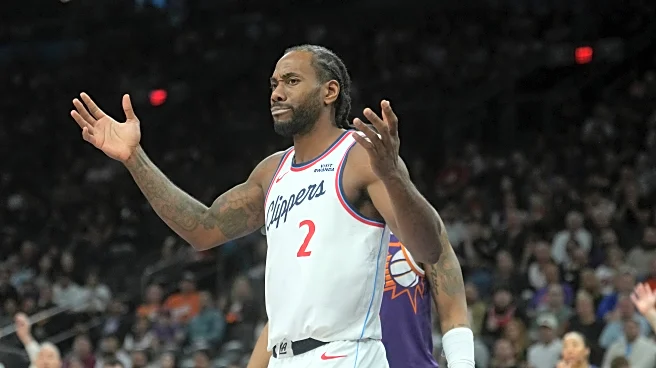
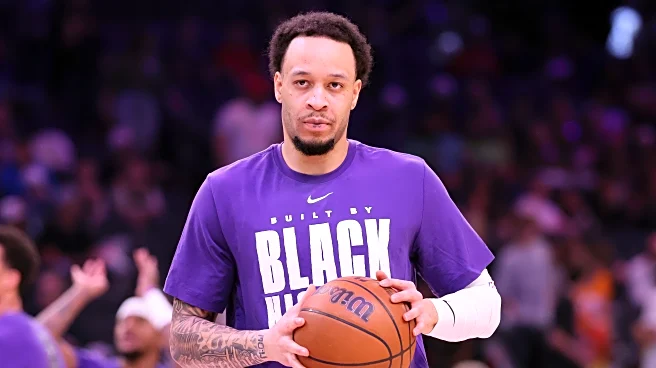
Chris Paul, a veteran NBA player, is known for his assertive leadership style, which has been both praised and criticized by those within the league. According to an NBA executive, Paul's approach can be exhausting as he is often convinced of his correctness and persistently seeks agreement from others. This leadership style has led to friction in various teams he has been part of, including the Los Angeles Clippers, Houston Rockets, and Phoenix Suns. Despite these challenges, Paul's teams have often been successful, with the Clippers being regular playoff contenders and the Suns reaching the 2021 NBA Finals. His tenure with the Oklahoma City Thunder also saw him mentoring young players like Shai Gilgeous-Alexander.
Why It's Important?
Chris Paul's leadership style
highlights the complex dynamics of team sports, where individual leadership can significantly impact team performance and morale. While his approach has led to success on the court, it has also caused tension among teammates and coaching staff. This situation underscores the delicate balance required in managing star players who bring both talent and strong personalities to a team. The broader implication for the NBA and other sports leagues is the need to navigate these dynamics to maintain team cohesion and performance. Teams may need to consider how to integrate such players effectively without disrupting team harmony.
What's Next?
As Chris Paul continues his career, teams that acquire him will need to weigh the benefits of his experience and leadership against the potential for internal conflict. Future teams may need to establish clear communication channels and roles to harness his strengths while minimizing friction. Additionally, Paul's influence as a mentor to younger players could be a valuable asset for teams looking to develop their talent. The ongoing challenge will be finding the right environment where his leadership style can thrive without causing disruption.
Beyond the Headlines
The situation with Chris Paul also raises questions about the evolving role of veteran players in the NBA. As the league becomes increasingly focused on youth and athleticism, the value of experienced players who can mentor and guide younger teammates becomes more pronounced. This dynamic could lead to a reevaluation of how teams structure their rosters and the types of leadership they prioritize. Furthermore, it highlights the importance of adaptability in leadership styles to meet the changing needs of teams and players.