







What's Happening?
A recent report by Booking.com highlights that Baby Boomers are taking more tangible actions towards sustainable travel compared to younger generations. The 11th annual Travel & Sustainability Report, which surveyed 32,500 travelers across 35 markets,
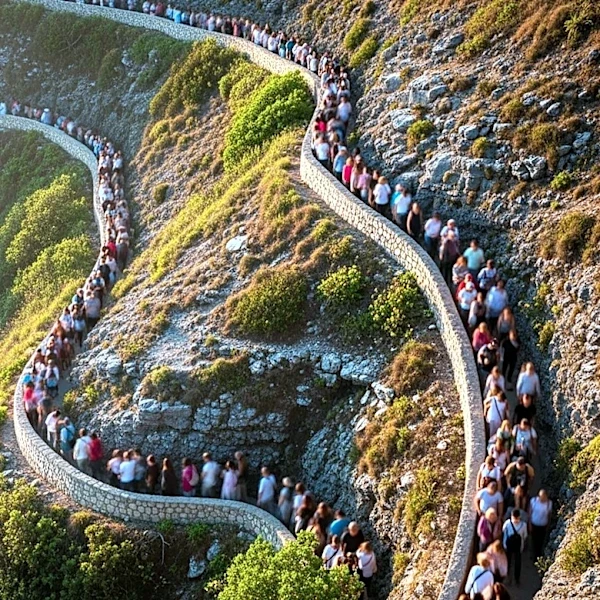
including 1,000 Australians, found that 83% of Australian travelers consider sustainable travel important. However, a 'say-do' gap is evident, with Baby Boomers more likely to act on their intentions. For instance, 63% of Boomers plan to shop at local stores while traveling, and 75% aim to reduce waste, surpassing the efforts of Gen X, Millennials, and Gen Z. The report also notes that extreme weather and overcrowding are influencing travel decisions, with 42% of Australians planning to travel off-peak and 43% avoiding crowded destinations.
Why It's Important?
The findings underscore a significant shift in travel behaviors driven by sustainability concerns and climate change. As Baby Boomers lead in adopting sustainable practices, they set a precedent for other generations, potentially influencing industry standards and policies. The emphasis on reducing waste and supporting local businesses could drive economic benefits for small enterprises and promote environmental conservation. Additionally, the trend of avoiding peak travel times and crowded destinations may alleviate pressure on popular tourist spots, contributing to more sustainable tourism practices. This shift also highlights the growing importance of climate considerations in travel planning, which could impact the travel industry’s approach to marketing and service offerings.
What's Next?
As sustainable travel gains traction, the travel industry may see increased demand for eco-friendly accommodations and services. Companies might invest more in sustainability certifications and green initiatives to attract environmentally conscious travelers. Additionally, the focus on off-peak travel could lead to more flexible pricing and promotional strategies to manage demand throughout the year. Policymakers and tourism boards may also need to address the impacts of climate change on travel destinations, potentially leading to new regulations or incentives to promote sustainable practices. The generational differences in travel behavior could inspire targeted campaigns to encourage younger travelers to adopt more sustainable habits.