


What's Happening?
Experts are cautioning that the ongoing war in Iran is leading to a significant increase in the prices of plastic consumer goods in the United States. The conflict has caused oil prices to surge by over 40% since late February, directly impacting the cost
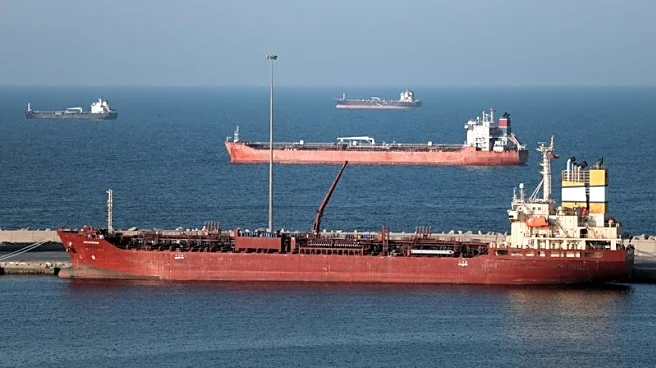
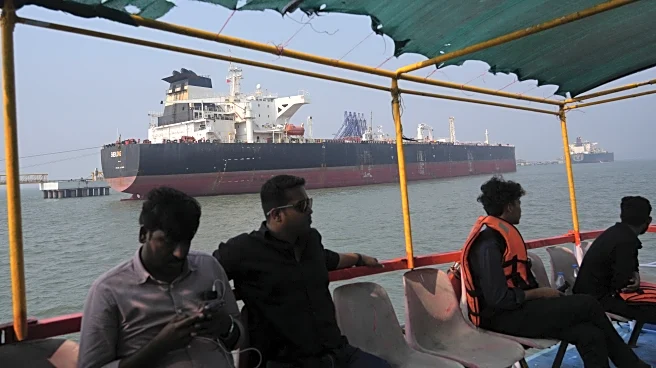
of plastic products, which are derived from oil. Items such as disposable cutlery, bottled drinks, and garbage bags are expected to see price hikes in the coming weeks. The rise in oil prices is also affecting the cost of polyethylene and polypropylene, two widely used plastics. The Middle East, a major supplier of these materials, is experiencing disruptions due to the conflict, particularly in the Strait of Hormuz, a critical passage for global oil and gas supplies. This situation is exacerbating the cost pressures on plastics, which are integral to various industries, including packaging, automotive, and healthcare.
Why It's Important?
The increase in plastic prices has broad implications for U.S. consumers and industries. As plastics are embedded in numerous products and supply chains, the rising costs could lead to higher prices for a wide range of goods, from everyday items to complex products like automobiles. This situation highlights the vulnerability of global supply chains to geopolitical events and the reliance on fossil fuels for plastic production. The sustained high oil prices could result in prolonged inflationary pressures, affecting consumer spending and economic stability. Industries may face challenges in finding cost-effective alternatives to plastics, potentially leading to increased production costs and reduced profit margins.
What's Next?
If the high oil prices persist, consumers and industries may continue to face elevated costs for plastic products for an extended period, potentially lasting a year or more. Companies might need to explore alternative materials or adjust product designs to mitigate cost increases. The situation underscores the need for strategic planning and innovation in supply chain management to address such disruptions. Policymakers and industry leaders may also consider investing in research and development of sustainable materials to reduce dependency on fossil fuels and enhance resilience against geopolitical risks.