
What's Happening?
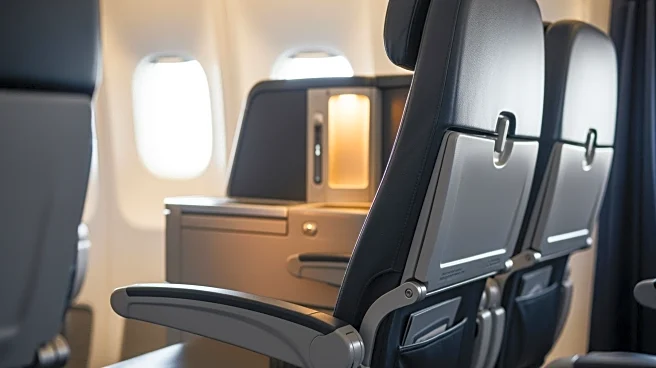
WestJet Airlines has announced it will discontinue the use of non-reclinable economy seats on certain Boeing 737 jets. This decision follows a wave of complaints and viral social media videos showing passengers
cramped with their knees pressed against the seats in front of them. The Canadian airline had initially introduced these seats to create more space for premium seating, but the move was met with significant backlash from both passengers and crew. The airline has decided to revert to its previous standard economy seat configuration after reviewing operational data and customer feedback. The decision was also influenced by concerns from pilots and flight attendants regarding passenger comfort and safety, particularly in emergency evacuation scenarios.
Why It's Important?
The reversal by WestJet highlights the ongoing tension between airline cost-cutting measures and passenger comfort. The initial introduction of non-reclinable seats was part of a broader industry trend to maximize revenue by increasing premium seating at the expense of economy class space. However, the backlash underscores the limits of such strategies, as passenger satisfaction and safety concerns can outweigh potential financial benefits. This decision may influence other airlines considering similar configurations, emphasizing the importance of balancing profitability with customer experience. The move also reflects the power of social media in shaping corporate decisions, as public outcry and viral content can rapidly impact a company's reputation and policies.
What's Next?
WestJet's decision to revert to its previous seating configuration may prompt other airlines to reassess their seating strategies, especially those that have adopted or are considering similar non-reclinable seat models. The airline industry may see increased scrutiny from consumer advocacy groups and regulatory bodies regarding passenger comfort and safety standards. Additionally, WestJet will likely focus on rebuilding its brand image and customer trust, potentially through enhanced communication and engagement with passengers. The airline may also explore alternative ways to increase revenue without compromising passenger comfort, such as offering more customizable seating options or improving in-flight services.