

What's Happening?
The concept of detox diets has gained popularity, with many believing that such diets can rid the body of toxins. However, experts argue that these diets may not be necessary and could pose health risks. Janice Dada, a registered dietitian, explains that the idea of detoxing is not new, but modern detoxing has become commercialized, often leveraging fear to drive sales. Products promising detoxification are widely available, but they may not be effective and could lead to health issues such as kidney stress and blood sugar fluctuations. Desiree Nielsen, another dietitian, highlights that traditional medicine systems have included cleansing practices, but the commercial detox products often contain laxatives or diuretics, which can be harmful.
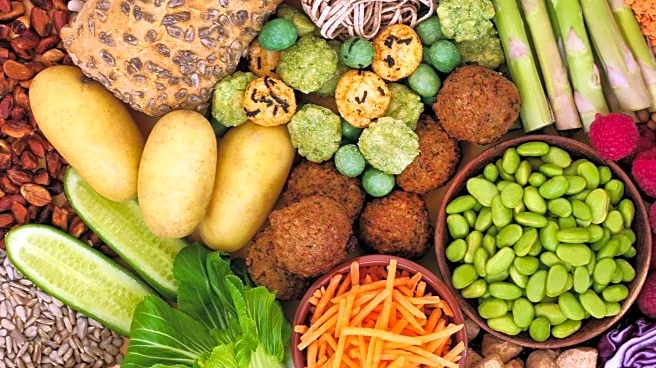
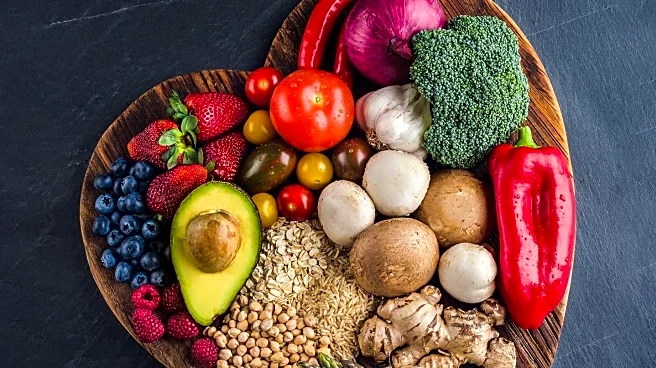
The article suggests that instead of detox diets, individuals should focus on consuming colorful plant foods, increasing fiber intake, and staying hydrated to support natural body functions.
Why It's Important?
The widespread belief in detox diets reflects a broader trend in wellness culture where individuals seek control over their health through commercial products. This trend can lead to misinformation and potentially harmful practices. Detox diets, often lacking scientific backing, can result in adverse health effects, such as kidney stress and blood sugar fluctuations. The emphasis on detoxing can distract from more effective health practices, such as balanced nutrition and hydration. Understanding the limitations and risks of detox diets is crucial for consumers to make informed health decisions and avoid unnecessary expenses on ineffective products.