


What's Happening?
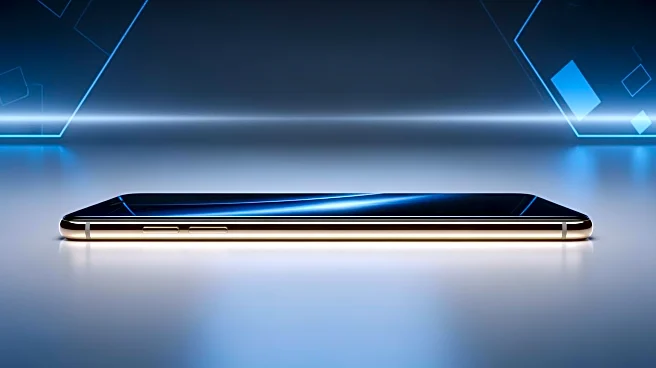
At the Mobile World Congress 2026, Tecno introduced its latest concept phones, emphasizing ultra-thin designs. The Tecno Slim 2, an upgrade from last year's Spark Slim, features a reduced thickness of 5.49mm, down from 5.93mm. This model includes a 6,150-mAh
battery and narrow 0.7mm bezels, enhancing the viewing experience. Additionally, Tecno showcased the Phantom Ultimate G Fold, a trifold phone that measures 3.49mm when unfolded and 11.49mm when folded. It offers a 9.94-inch main display and a triple rear camera system. These concept phones reflect a growing trend in the mobile industry towards slimmer and more compact devices, appealing to consumers who prioritize portability over features like battery size or camera advancements.
Why It's Important?
The introduction of these ultra-thin concept phones by Tecno highlights a significant shift in mobile design priorities. As consumers increasingly demand more portable and lightweight devices, manufacturers are pushing the boundaries of hardware engineering. This trend could influence major players like Apple and Samsung, who have also been exploring thinner designs. The focus on reducing bulk without compromising essential features like battery life or display quality could redefine consumer expectations and drive innovation in the smartphone market. This shift may also impact accessory markets, as new designs could require updated cases and peripherals.
What's Next?
While Tecno's Slim 2 and Phantom Ultimate G Fold are currently concepts, their development suggests potential future releases. If these designs prove successful, they could prompt other manufacturers to accelerate their own thin phone projects. The market's response to these concepts will likely influence Tecno's decision to move forward with production. Additionally, consumer feedback on the balance between design and functionality will be crucial in determining the viability of such ultra-thin devices in the competitive smartphone market.
Beyond the Headlines
The move towards thinner phones raises questions about durability and repairability. As devices become slimmer, the risk of damage from drops or pressure increases, potentially leading to higher repair costs. Moreover, the compact design may complicate internal repairs, affecting the longevity of the devices. This trend also highlights the ongoing challenge of balancing aesthetic appeal with practical usability, as manufacturers strive to meet consumer demands for both style and substance.