



What's Happening?
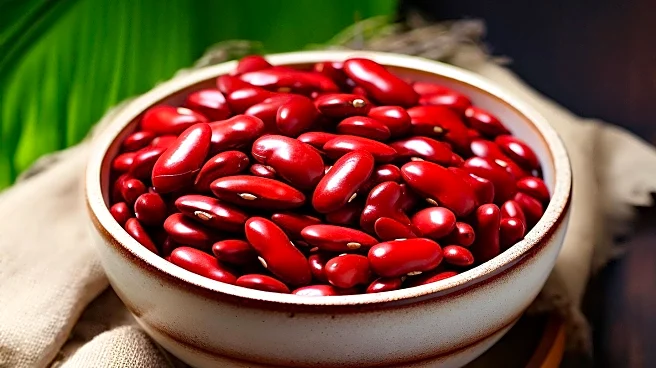
Dietitians are emphasizing the health benefits of beans, a cost-effective superfood, as the U.S. faces increasing rates of chronic diseases such as obesity, diabetes, and cancer. Beans, available in various types like kidney, black, and soy, are praised
for their nutritional value, including plant-based protein, fiber, and essential minerals like iron and magnesium. Experts suggest that beans can improve heart health by lowering LDL cholesterol and may aid in weight management due to their high fiber content. Additionally, emerging research indicates potential anti-cancer properties, particularly in reducing the risk of colorectal cancer.
Why It's Important?
The promotion of beans as a superfood is significant in the context of rising healthcare costs and the prevalence of chronic diseases in the U.S. Beans offer an affordable and accessible dietary option that can contribute to better health outcomes. By incorporating beans into their diets, Americans may reduce their risk of heart disease, obesity, and certain cancers, potentially decreasing the burden on the healthcare system. The emphasis on beans also aligns with broader public health initiatives to encourage plant-based diets and improve nutritional intake across diverse populations.
What's Next?
As awareness of the health benefits of beans grows, there may be increased demand for these products in grocery stores and food programs. Nutritionists and public health officials might advocate for the inclusion of beans in school lunches and community health initiatives. Further research could explore the specific mechanisms by which beans contribute to health improvements, potentially leading to new dietary guidelines or recommendations. Additionally, food manufacturers might innovate by creating new bean-based products to cater to health-conscious consumers.
Beyond the Headlines
The focus on beans as a superfood highlights broader trends in nutrition science, emphasizing the role of whole foods in disease prevention. This shift could influence cultural attitudes towards food, encouraging more sustainable and health-oriented eating habits. The potential environmental benefits of increased bean consumption, such as reduced reliance on animal protein, may also contribute to discussions on sustainable agriculture and food security.