
What's Happening?
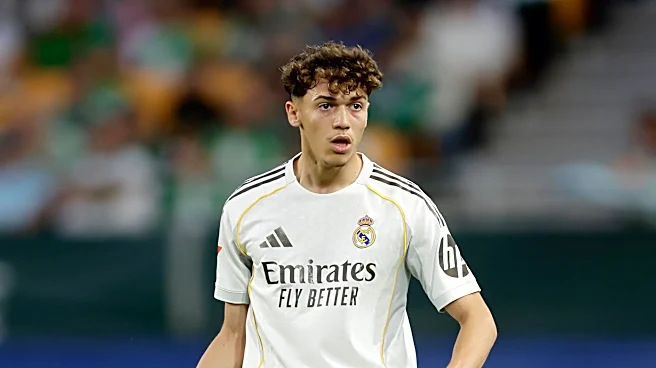
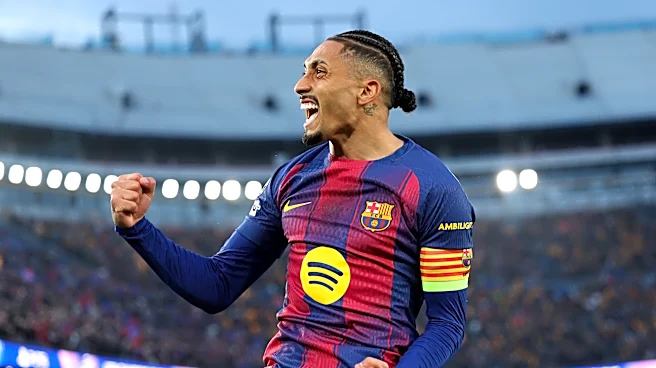
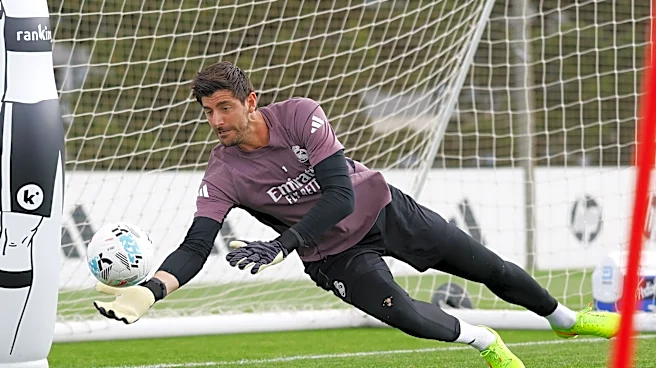
The rivalry between Barcelona and Real Madrid, known as El Clásico, played a pivotal role in Spain's success at the 2010 FIFA World Cup. The Spanish national team, featuring key players from both clubs,
won the tournament with a strong defensive performance and crucial goals from Barcelona players. Andrés Iniesta scored the winning goal in the final against the Netherlands. The team, managed by Vicente del Bosque, included notable players like Xavi, Iker Casillas, and Sergio Busquets. Spain's victory marked a period of dominance in international football, as they also won the European Championship in 2008 and 2012.
Why It's Important?
The success of Spain's national team during this period underscores the impact of club-level rivalries on international football. The collaboration between players from Barcelona and Real Madrid, despite their club rivalry, highlights the importance of teamwork and unity in achieving national success. This era of Spanish football set a benchmark for future teams, demonstrating how domestic league talent can be harnessed for international triumphs. The achievements also boosted the global profile of Spanish football, influencing player transfers and the popularity of La Liga.
What's Next?
As the 2026 World Cup approaches, the legacy of Spain's 2010 victory continues to inspire current and future generations of players. The integration of club-level talent into national teams remains a key strategy for success. Observers will be keen to see if Spain can replicate its past achievements with a new generation of players. The ongoing development of young talent in La Liga and the influence of experienced players will be crucial in shaping Spain's future on the international stage.