









What's Happening?
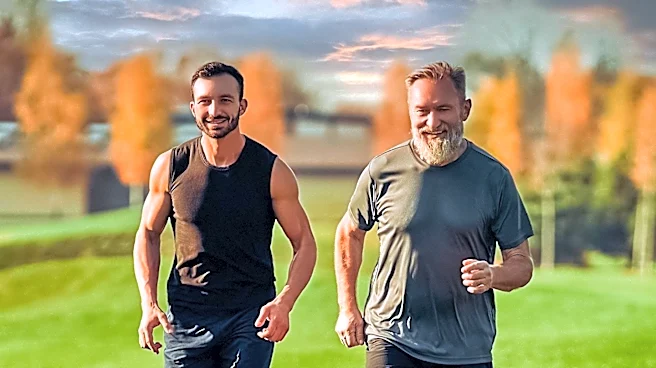
Parkrun, a global movement that began in 2004, celebrated its millionth event at Bushy Park in London. The event, which started as a small gathering of 13 runners, has grown into a worldwide phenomenon with over 12 million registered participants. Parkrun events
are free, weekly 5km runs held in various locations, including parks and prisons, and are entirely volunteer-run. The initiative aims to promote physical activity and community cohesion, attracting a diverse range of participants, including those from lower socioeconomic backgrounds. The millionth event was attended by notable figures such as former Olympic champion Dame Kelly Holmes, emphasizing the movement's widespread appeal and impact.
Why It's Important?
Parkrun's growth underscores the importance of accessible physical activity in promoting public health and community engagement. By targeting lower socioeconomic groups and ethnic minorities, Parkrun addresses disparities in physical activity levels, potentially reducing health issues like depression and diabetes. The initiative's integration into public health policy, with over 2,100 GP surgeries in the UK prescribing Parkrun, highlights its role in preventive healthcare. The movement's ability to bring together diverse communities fosters social cohesion and provides a sense of purpose, contributing to mental well-being and community resilience.
What's Next?
Parkrun aims to expand its reach further, particularly among underrepresented groups, to enhance its impact on public health. The organization plans to continue promoting inclusivity and accessibility, ensuring that more people can benefit from regular physical activity. As Parkrun grows, it may influence public health strategies globally, encouraging similar initiatives that combine exercise with community building. The movement's success could inspire policymakers to integrate social prescribing into healthcare systems, recognizing the broader benefits of community-driven health initiatives.
Beyond the Headlines
Parkrun's success highlights the potential of grassroots movements to effect significant social change. By providing a free, inclusive platform for physical activity, Parkrun challenges traditional barriers to exercise, such as cost and accessibility. The movement's emphasis on community and volunteerism fosters a sense of belonging and shared purpose, which can be particularly valuable in urban environments where social isolation is common. As Parkrun continues to evolve, it may serve as a model for other initiatives seeking to leverage community engagement for health and social benefits.