



What's Happening?
Many household items, often considered harmless, can lead to clogged drains and costly plumbing repairs. Items such as oil, grease, vegetable peels, coffee grounds, flour, dirt, rice, pasta, paper products, and paint are known to cause blockages. These
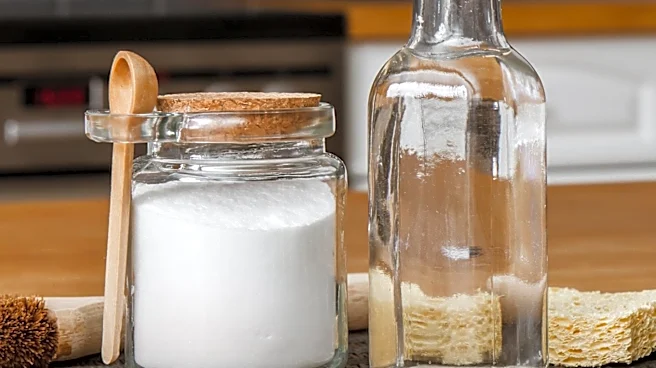
materials can accumulate over time, harden, and create impasses in pipes. Plumbers advise against using chemical drain cleaners frequently due to potential pipe corrosion. Instead, homeowners are encouraged to use natural remedies like vinegar and baking soda or mechanical solutions like pipe snakes. Proper disposal methods, such as composting or trashing, are recommended to prevent drain issues.
Why It's Important?
Understanding what can and cannot be disposed of in sinks is crucial for homeowners to avoid plumbing issues and unnecessary expenses. Clogged drains can lead to significant repair costs and inconvenience. Educating the public on proper disposal methods can reduce the frequency of plumbing problems and promote environmentally friendly practices like composting. This knowledge empowers homeowners to maintain their plumbing systems effectively, potentially saving money and reducing environmental impact.
What's Next?
Homeowners may consider investing in kitchen tools like sink strainers to prevent food and solids from entering drains. Increased awareness and education on proper disposal methods can lead to a decrease in plumbing issues. As more people adopt composting and environmentally friendly practices, there may be a shift towards sustainable waste management solutions in households.