



What's Happening?
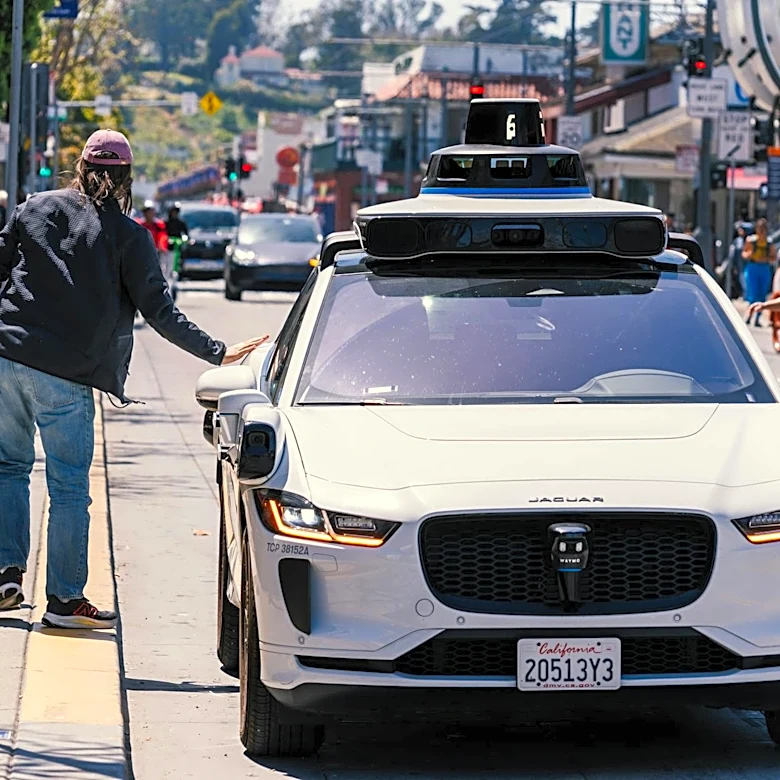
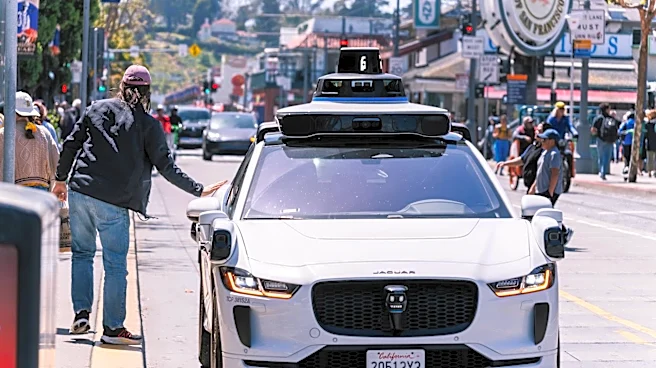
Tesla currently operates 42 unsupervised robotaxis in Texas, significantly fewer than its competitor, Alphabet's Waymo, which has 577 in the state. This disparity highlights Tesla's challenges in scaling its autonomous vehicle operations. CEO Elon Musk
had previously projected that Tesla's robotaxi service would be available to half of the U.S. population by the end of 2025. However, the company is struggling to prepare its camera-only autonomous vehicles for commercial deployment. In contrast, Waymo's nationwide fleet exceeds 3,000 vehicles, showcasing its lead in the autonomous vehicle market.
Why It's Important?
The development and deployment of autonomous vehicles represent a significant shift in the transportation industry, with implications for urban planning, traffic management, and environmental sustainability. Tesla's slower progress in expanding its robotaxi fleet may impact its competitive position in the autonomous vehicle market. The success of companies like Waymo in deploying larger fleets could influence consumer adoption and regulatory frameworks for autonomous vehicles. Additionally, the ability to scale operations effectively will be crucial for companies seeking to capitalize on the growing demand for autonomous transportation solutions.
What's Next?
Tesla may need to address technical and regulatory challenges to expand its robotaxi fleet and compete with established players like Waymo. This could involve refining its autonomous driving technology, securing regulatory approvals, and investing in infrastructure to support larger-scale operations. The company may also explore partnerships or collaborations to accelerate its progress. As the autonomous vehicle market evolves, industry stakeholders, including policymakers and urban planners, will need to consider the implications of widespread adoption and integration into existing transportation systems.