


What's Happening?
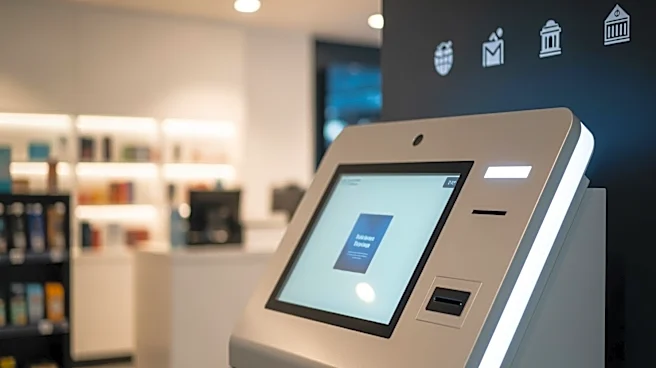
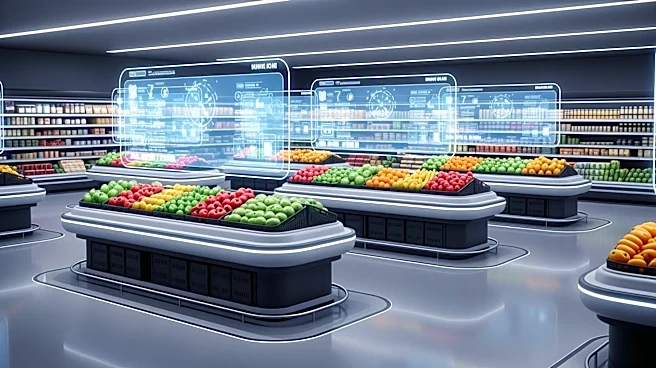
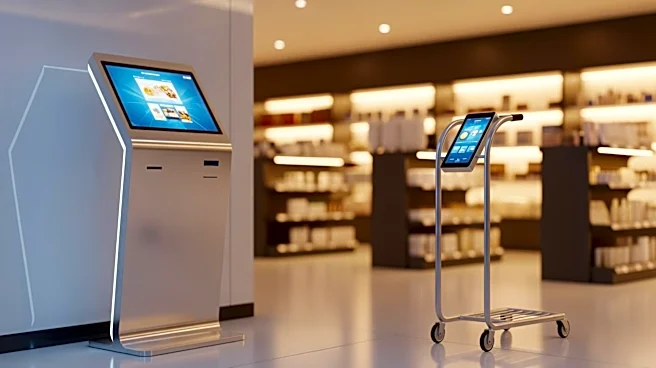
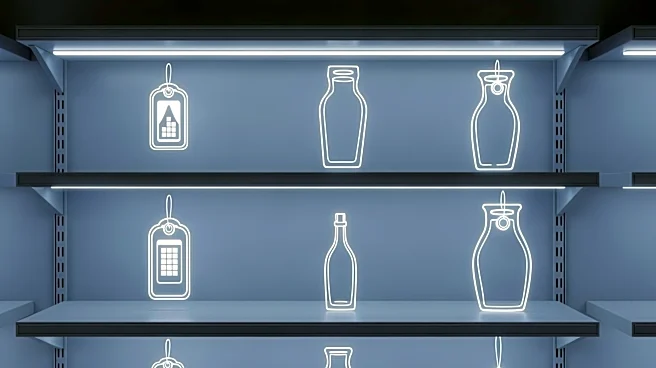
Retailers are increasingly adopting in-store technologies to address various operational challenges and improve the shopping experience. Key innovations include electronic shelf labels, smart carts, in-store retail media, and enhanced communication tools
for staff. For instance, Co-op has partnered with VusionGroup to implement electronic shelf labels across its stores, aiming to provide clearer pricing and reduce paper waste. Similarly, Carrefour Israel is deploying smart carts to streamline checkout processes and enhance customer engagement. These technologies are designed to improve operational efficiency, enhance customer service, and create new revenue streams through retail media. The focus is on making stores more responsive and engaging, addressing issues like labor costs, stock accuracy, and customer service.
Why It's Important?
The adoption of these technologies is significant as it represents a shift in how physical retail spaces operate, aiming to compete with the convenience of online shopping. By improving efficiency and customer experience, retailers can potentially increase sales and customer loyalty. The use of smart carts and electronic shelf labels can reduce labor costs and improve stock management, while in-store media offers new advertising opportunities. This technological integration is crucial for retailers to remain competitive and relevant in a rapidly evolving market. It also highlights a broader trend of using technology to solve practical problems in retail, rather than just for novelty.
What's Next?
As these technologies become more widespread, retailers will likely continue to explore additional innovations to further enhance the shopping experience. The success of these initiatives will depend on their ability to genuinely improve customer satisfaction and operational efficiency. Retailers may also need to invest in training staff to effectively use these new tools. The ongoing development of in-store media measurement standards will be crucial for demonstrating the value of these investments to brands and advertisers. Overall, the focus will be on creating a seamless and engaging shopping experience that can compete with online alternatives.
Beyond the Headlines
The integration of technology in retail stores also raises questions about data privacy and the ethical use of customer information. As smart carts and in-store media collect more data, retailers must ensure they handle this information responsibly and transparently. Additionally, the shift towards technology-driven retail may impact employment, as automation could reduce the need for certain roles. However, it also presents opportunities for new types of jobs focused on managing and maintaining these technologies. The long-term success of these innovations will depend on balancing technological advancement with ethical considerations and workforce implications.