






What's Happening?
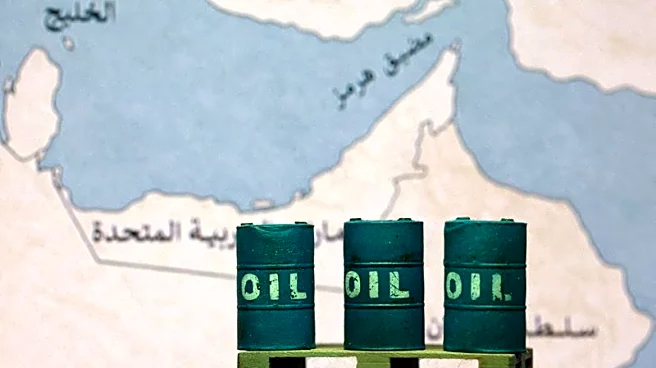
Goldman Sachs has issued a warning about a looming second wave of inflation that could affect U.S. households, driven by disruptions in the petrochemical industry due to the ongoing conflict in Iran. Petrochemicals, essential for producing plastics and
synthetic materials, are derived from oil and natural gas, forming a $5 trillion global market. The conflict has already led to increased oil prices, but the impact on petrochemicals is expected to manifest gradually in consumer goods. Mark Malek, CIO of Siebert Financial, highlighted that the inflationary pressures will extend beyond gas prices, affecting everyday items such as groceries, trash bags, and prescriptions. The price increases are expected to unfold over the next three to nine months, with a projected 4% rise in plastic-related costs alone.
Why It's Important?
The anticipated inflationary wave is significant as it could lead to a structural repricing of household budgets in the U.S. The gradual increase in prices of everyday goods will affect consumers' purchasing power, potentially leading to tighter monthly budgets. Industries reliant on petrochemicals, such as food and beverage packaging, are likely to see cost increases, which may be passed on to consumers. This situation underscores the interconnectedness of global supply chains and the vulnerability of consumer markets to geopolitical events. Companies like Unilever are already planning incremental price hikes to manage rising manufacturing costs, indicating a broader trend of price adjustments across various sectors.
What's Next?
As the inflationary effects of the Iran conflict continue to unfold, consumers and businesses may need to adapt to the changing economic landscape. Companies might implement strategic pricing adjustments to remain competitive, while consumers could face increased financial strain. Policymakers may need to consider measures to mitigate the impact on vulnerable populations. The situation also highlights the importance of diversifying supply chains and exploring alternative materials to reduce dependency on petrochemicals.