





What's Happening?
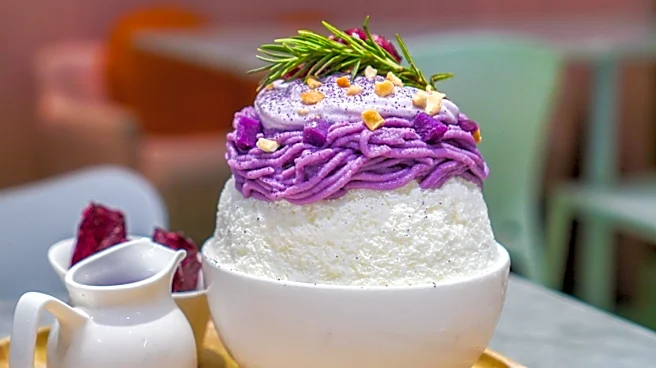
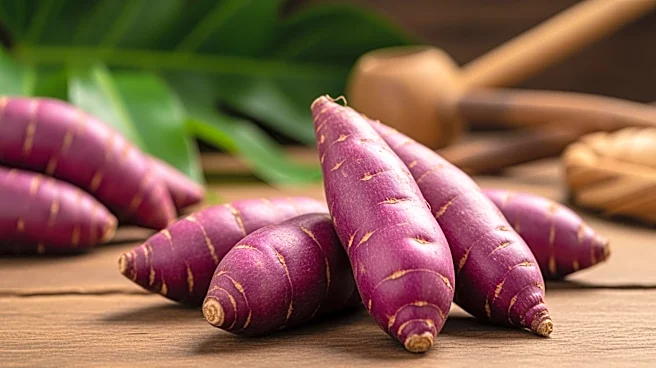
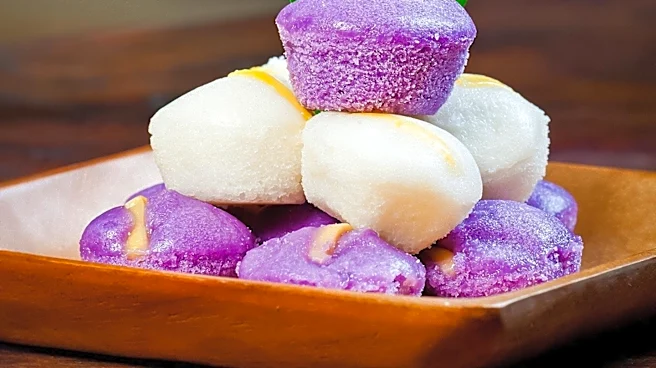
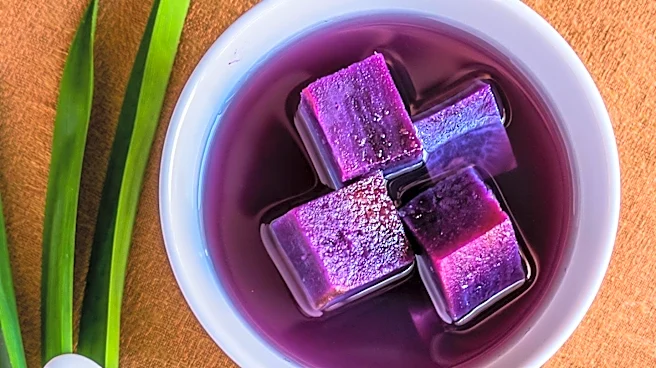
Ube, a purple yam native to the Philippines, has become a global sensation, particularly in the U.S., where its use in food and beverages has surged by 230% over the past four years. This trend is driven by its vibrant color and sweet taste, making it a popular
choice for visually appealing and flavorful dishes. The rise in popularity is largely attributed to social media platforms like Instagram and TikTok, where ube's striking purple hue has captured the attention of younger consumers. Major coffee chains like Starbucks and Peet's have introduced ube-flavored drinks, further boosting its demand. However, this increased demand is putting pressure on Filipino farmers, who are struggling to keep up due to climate change and limited quality planting materials.
Why It's Important?
The growing popularity of ube highlights a significant shift in consumer preferences towards exotic and visually appealing food and beverages. This trend not only benefits the food and beverage industry by introducing new flavors and products but also poses challenges for supply chains, particularly in the Philippines. As the largest importer of ube, the U.S. market plays a crucial role in sustaining this trend. However, the pressure on Filipino farmers to meet global demand could lead to supply shortages and increased prices, affecting both producers and consumers. The situation underscores the need for sustainable agricultural practices and support for farmers to ensure a stable supply of this increasingly popular ingredient.
What's Next?
As demand for ube continues to rise, stakeholders in the food and beverage industry may need to explore alternative sources or invest in sustainable farming practices to ensure a steady supply. The Philippine government and agricultural organizations might also need to provide support to farmers through research and development initiatives aimed at improving crop yields and resilience to climate change. Additionally, businesses could consider diversifying their product offerings to include other exotic ingredients, reducing reliance on a single source. The ongoing popularity of ube is likely to inspire further innovation in food and beverage products, potentially leading to new trends in the industry.
Beyond the Headlines
The ube trend reflects broader cultural shifts towards embracing diverse culinary traditions and the influence of social media on consumer behavior. As more people seek out unique and Instagrammable food experiences, the demand for ingredients like ube is likely to continue growing. This trend also highlights the interconnectedness of global supply chains and the impact of consumer preferences on agricultural practices in producing countries. The situation presents an opportunity for cultural exchange and appreciation, as well as a challenge to balance demand with sustainable production methods.