







What's Happening?
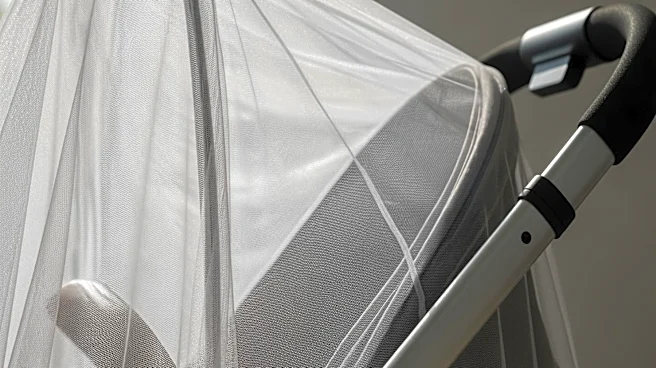
The United States market for compact stroller mosquito nets is heavily reliant on imports, with over 80% of products sourced from manufacturers in China, Vietnam, and India. Domestic production is minimal, limited to a few private-label assembly operations.
The market is driven by year-round travel to tropical destinations and seasonal mosquito spikes in southern and mid-Atlantic states. The market is divided into Universal Fit and Brand-Specific Fit segments, with Universal Fit accounting for the majority of unit volume. Pricing is stratified into four bands, with the ultra-value segment under $10 commanding the largest volume share. The market is experiencing a shift towards fine-knit mesh weaving with integrated UV-resistant treatment, raising average retail prices. Online-first and direct-to-consumer brands are expanding their market share, leveraging platforms like Amazon and Etsy. The market faces challenges such as low retailer shelf-space priority and seasonal demand volatility.
Why It's Important?
The reliance on imports for compact stroller mosquito nets highlights vulnerabilities in the U.S. supply chain, particularly in the face of trade tensions and tariff policies. The market's growth is indicative of increasing consumer awareness of mosquito-borne illnesses, which could drive demand for related health and safety products. The competitive landscape is intensifying, with private-label programs from major retailers like Walmart and Amazon adding pressure on traditional brands. This competition could lead to lower prices and more options for consumers but may also squeeze profit margins for smaller manufacturers. The market's growth potential is significant, with projections of a 30-50% increase in unit demand over the next decade, driven by rising spending on infant travel accessories and the expansion of the compact stroller segment.
What's Next?
The market is expected to continue its growth trajectory, with a shift towards higher-priced branded and specialty products. The Brand-Specific Fit segment is likely to outperform as stroller manufacturers develop proprietary attachment systems. The Tropical/High-Risk Region Use segment is expected to grow rapidly due to increased family travel to mosquito-endemic areas. However, potential risks include a decline in the U.S. birth rate and economic downturns that could reduce discretionary spending. The market may also see further consolidation among branded players as they acquire niche accessory lines to build brand loyalty.
Beyond the Headlines
The market's reliance on imports raises questions about sustainability and the environmental impact of long-distance shipping. The shift towards multifunctional fabric technologies, such as those combining mosquito netting with UV protection, represents an opportunity for innovation and differentiation. The regulatory environment, particularly compliance with the Consumer Product Safety Improvement Act, poses challenges for new entrants and could lead to compliance gaps. The market's growth is also influenced by broader trends in urban parenting and climate change, which are expanding the geographic footprint of seasonal demand.