



What's Happening?
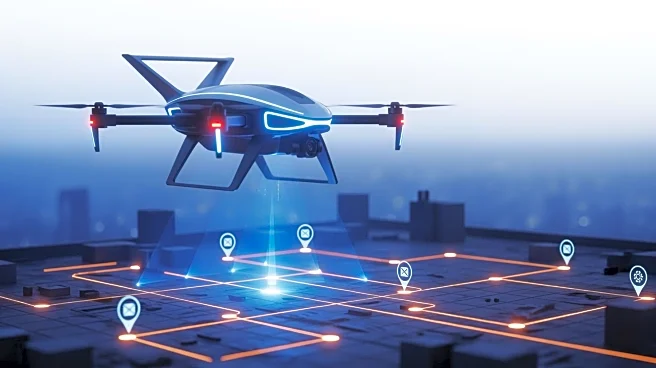
The transportation sector is witnessing significant innovations in last-mile delivery, which is becoming a strategic differentiator for businesses. New technologies such as drones, delivery robots, and intelligent routing systems are reshaping how goods are delivered. According to Daniel Laury, CEO of Udelv, autonomous delivery vehicles are safer for transporting goods than people, making them a focal point for innovation. The last mile can account for more than half of total shipping expenses, as reported by Statista, making efficient delivery operations crucial. Companies like Uber Technologies and Flytrex are pioneering drone deliveries, while Matternet has launched commercial drone delivery systems in Los Angeles. Additionally, delivery robots by Starship
Technologies have completed millions of deliveries globally. These innovations aim to reduce costs, increase visibility, and enhance operational control, although they face challenges such as high costs and evolving regulations.
Why It's Important?
The advancements in last-mile delivery are crucial for the U.S. economy as they address the increasing demand for faster and more efficient delivery services. As e-commerce continues to grow, the ability to deliver goods quickly and cost-effectively becomes a competitive advantage for businesses. Companies that can optimize their delivery operations stand to gain customer loyalty and increase their market share. However, the high costs associated with new technologies and regulatory hurdles pose significant challenges. The Federal Aviation Administration (FAA) is working on regulations for drone operations, which could accelerate the adoption of drone deliveries. Successful implementation of these technologies could lead to significant cost savings and operational efficiencies, benefiting both businesses and consumers.
What's Next?
The future of last-mile delivery will likely see further integration of advanced technologies such as AI-driven routing and autonomous vehicles. The FAA's proposed rule for Beyond Visual Line of Sight (BVLOS) drone operations is expected to facilitate the expansion of drone deliveries. Companies like DroneUp are developing systems to verify drone identities and track them in real-time, which will be essential for scaling operations. As these technologies mature, businesses will need to adapt to new delivery models and invest in infrastructure to support them. The legislative and technological advancements in the next 12 to 18 months will be critical in determining the pace of adoption and the overall impact on the transportation sector.
Beyond the Headlines
The shift towards innovative last-mile delivery solutions has broader implications for urban planning and environmental sustainability. As delivery robots and drones become more prevalent, cities may need to adapt their infrastructure to accommodate these technologies. This could include designated landing zones for drones and pathways for delivery robots. Additionally, the use of electric vehicles and drones could reduce the carbon footprint of delivery operations, contributing to environmental goals. However, the increased use of airspace for drone deliveries raises concerns about privacy and security, which will need to be addressed through comprehensive regulations and public engagement.