






What's Happening?
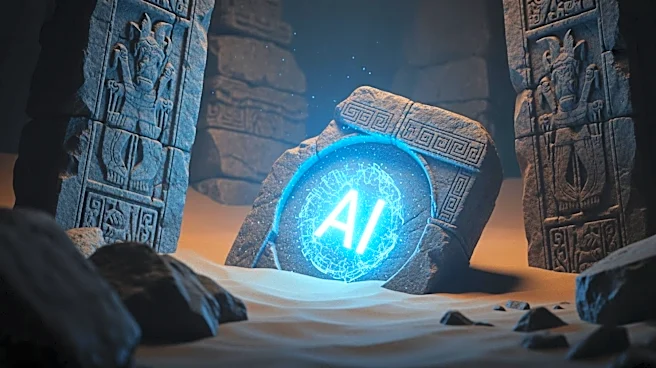
Crystal Dynamics has revealed that AI-assisted tools were used in the development of Tomb Raider: Legacy of Atlantis, sparking mixed reactions among fans. The AI tools supported early exploration and temporary development content, but all AI-assisted assets
were refined or replaced by humans to maintain the game's creative vision. The disclosure of AI usage has led to discussions within the gaming community about the role of AI in game development. Despite the controversy, the game is set to release on February 12, 2027, following a delay.
Why It's Important?
The use of AI in game development is a growing trend that raises questions about creativity, job security, and the quality of final products. While AI can streamline certain processes, its integration into creative fields like gaming can lead to concerns about the loss of human touch and artistic integrity. The mixed reactions from the Tomb Raider community highlight the ongoing debate about AI's role in the industry. As AI becomes more prevalent, developers must balance efficiency with maintaining the artistic vision that players expect.
What's Next?
As AI continues to be integrated into game development, developers may face increased scrutiny from players and industry professionals. Crystal Dynamics and other studios might need to provide more transparency about AI usage to address community concerns. The gaming industry could see a shift towards establishing guidelines for AI integration, ensuring that human creativity remains at the forefront. Future game releases may include disclosures about AI involvement, influencing consumer perceptions and purchasing decisions.