





What's Happening?
As the FIFA 2026 World Cup kicks off in Atlanta, the Mercedes-Benz Stadium is drawing attention for its decision to maintain low food prices during the event. According to a recent interview with WSB-TV, Atlanta Falcons owner Arthur Blank confirmed that
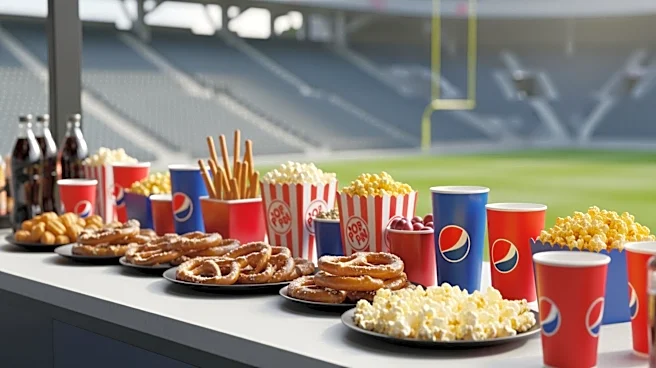
food prices inside the stadium will remain consistent with those at regular Atlanta Falcons or Atlanta United games. This decision is part of the stadium's 'fan-friendly' pricing strategy, where items like hotdogs are priced at $2, and Coke products offer unlimited refills for the same price. The stadium's spokesperson also confirmed that all vendors will adhere to these prices, offering items such as pizza slices for $3 and cheeseburgers for $5. Additionally, the MARTA public transportation system will not increase its fares during the World Cup, maintaining the standard $2.50 one-way fare.
Why It's Important?
The decision to keep food and transportation prices low during the World Cup is significant for several reasons. It reflects a commitment to accessibility and affordability for fans, which can enhance the overall experience and encourage attendance. This approach may also set a precedent for other venues hosting large-scale events, emphasizing the importance of fan engagement and satisfaction. Economically, maintaining low prices could increase sales volume, benefiting vendors and the local economy. Furthermore, the decision aligns with broader efforts to promote public transportation use, potentially reducing traffic congestion and environmental impact during the event.
What's Next?
As the World Cup progresses, the impact of these pricing strategies will become clearer. Stakeholders, including stadium management and local businesses, will likely monitor sales and attendance figures to assess the effectiveness of the pricing model. Positive outcomes could influence future pricing strategies for other major events in Atlanta and beyond. Additionally, the success of the MARTA system in handling increased passenger volumes during the World Cup could lead to further investments in public transportation infrastructure.