
What's Happening?
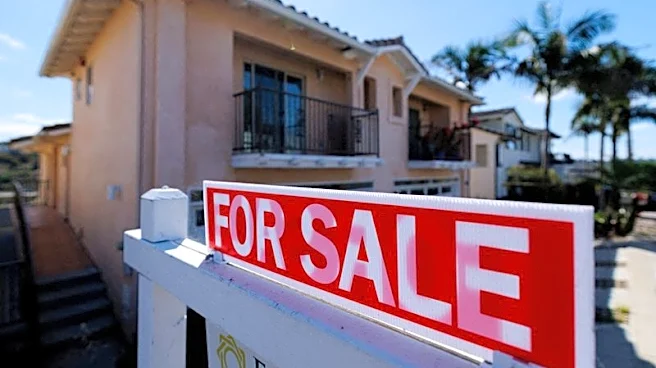
The growth of U.S. farmland values has decelerated as demand from builders has softened. According to a report by Realtor.com, land prices per acre decreased by 0.5% year over year in the first quarter
of 2026, following a significant 76.6% increase from 2019 to 2026. The total inventory of for-sale land is now 23.6% below pre-pandemic levels, indicating a cooling market. The most notable price fluctuations were observed in raw, undeveloped land, which saw a 2.4% decline year over year, while partly developed parcels experienced a 0.8% increase. This trend reflects a reduction in speculative demand as the market adjusts to decreased builder activity and heightened competition.
Why It's Important?
The slowdown in farmland value growth is significant for the U.S. real estate and construction sectors. It suggests a shift in market dynamics, where speculative investments in raw land are becoming less attractive due to reduced builder demand. This change could impact developers and investors who previously capitalized on the rapid price increases during the pandemic. Additionally, the regional variations in land price trends highlight differing economic conditions across the U.S., with the West experiencing the sharpest downturn and the South showing resilience due to favorable regulatory environments and population growth. These trends could influence future investment strategies and regional economic development.
What's Next?
As the market continues to cool, stakeholders such as developers, investors, and policymakers will need to adapt to the changing landscape. Builders may focus more on developing existing properties rather than acquiring new land, potentially leading to increased competition for developed parcels. Policymakers might consider measures to stimulate the market, such as easing zoning restrictions or providing incentives for development in underutilized areas. The ongoing adjustments in the land market will likely influence broader economic trends, including housing affordability and regional economic growth.