






What's Happening?
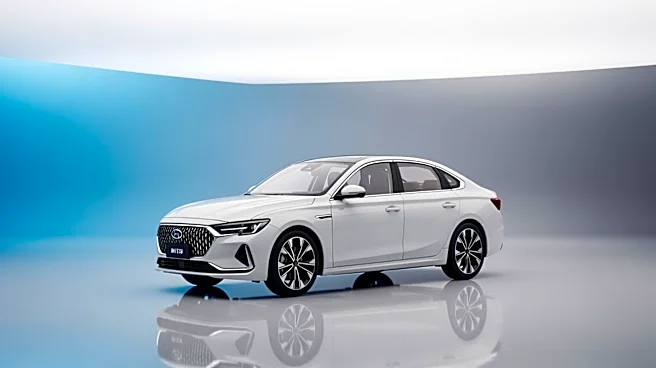
The automotive industry is witnessing a potential resurgence of sedans as American teenagers express a growing preference for these vehicles over SUVs. According to a study by Escalent EVForward 2025, 51% of teenagers aged 14 to 19 envision themselves
driving sedans in the future, compared to 31% who prefer SUVs. This shift in preference is attributed to factors such as affordability, fuel economy, and a desire for more engaging driving experiences. Sedans, which have been largely replaced by SUVs and crossovers over the past two decades, are now seen as a 'white space' opportunity for automakers. Companies like Ford, GM, and Honda are considering re-entering the sedan market, with some already teasing new models. The trend is further supported by data showing that compact and midsize sedans are more cost-effective and fuel-efficient than their SUV counterparts.
Why It's Important?
The renewed interest in sedans could significantly impact the automotive market, prompting manufacturers to diversify their offerings and potentially revitalize a segment that has been in decline. This shift may lead to increased competition among automakers, as they seek to capture the attention of younger consumers who are looking for affordable and efficient vehicles. The move away from SUVs could also have environmental benefits, as sedans generally offer better fuel economy and lower emissions. Additionally, the trend highlights changing consumer preferences, which could influence future vehicle design and marketing strategies. Automakers that successfully tap into this demand may gain a competitive edge, while those that continue to focus solely on SUVs risk missing out on a growing market segment.
What's Next?
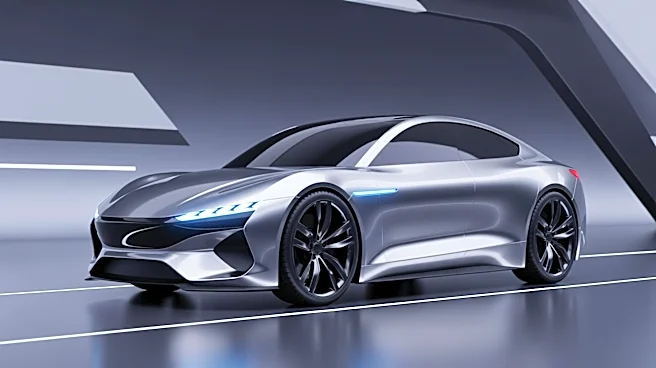
As automakers respond to this emerging trend, consumers can expect to see a broader range of sedan models entering the market. Companies like Ford and GM are already exploring the possibility of introducing new sedans, while others like Honda have showcased hybrid sedan prototypes. This could lead to increased innovation in sedan design, with a focus on combining traditional benefits like fuel efficiency with modern features such as hybrid technology. The industry may also see a shift in marketing strategies, as manufacturers aim to appeal to younger buyers who prioritize affordability and driving experience. The success of these efforts will depend on how well automakers can balance these factors with the evolving demands of the market.