



What's Happening?
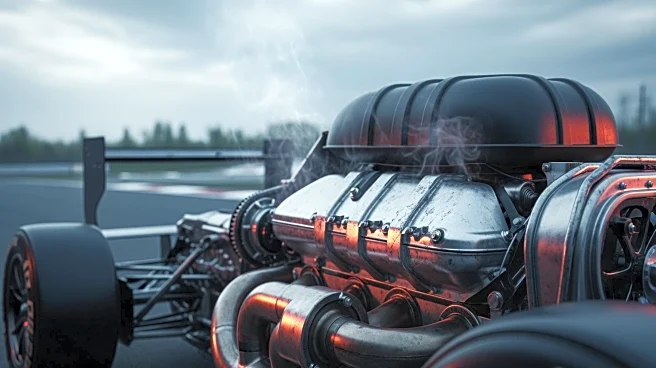
Isack Hadjar, a driver for Red Bull, had a promising start at the Australian Grand Prix but was forced to retire on lap 12 due to an engine failure. The incident occurred just ahead of turn nine, leading to a virtual safety car being deployed. This early
exit was unfortunate for Hadjar, who had performed well in the qualifying rounds. Meanwhile, his teammate Arvid Lindblad made a notable debut by securing points for Racing Bulls, finishing eighth. The race saw George Russell of Mercedes claim victory, followed by his teammate Kimi Antonelli, with Charles Leclerc of Ferrari completing the podium.
Why It's Important?
The retirement of Isack Hadjar highlights the unpredictable nature of Formula 1 racing, where technical failures can abruptly end a driver's race, regardless of their qualifying performance. This incident underscores the importance of reliability in car engineering and its impact on race outcomes. For Red Bull, Hadjar's early exit is a setback in their competitive strategy, as every race contributes to the overall championship standings. The performance of rookie Arvid Lindblad, however, provides a silver lining for Racing Bulls, showcasing the potential of new talent in the sport.
What's Next?
Looking ahead, Red Bull will need to address the technical issues that led to Hadjar's retirement to prevent similar occurrences in future races. The team will likely conduct a thorough investigation into the engine failure to enhance reliability. For Hadjar, the focus will be on preparing for the next race, aiming to capitalize on his qualifying strengths. The broader F1 community will continue to monitor the performance of new drivers like Lindblad, who have shown promise in their debut races.