



What's Happening?
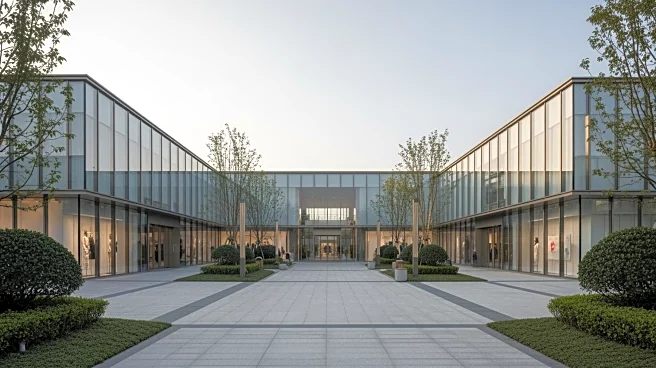
Amazon is set to open its largest-ever retail store in the Chicago suburbs, specifically in Orland Park. The planned 230,000-square-foot store will be built on a 35-acre plot and is expected to open next year, pending necessary approvals. The store will feature a combination of groceries, general merchandise, and prepared food, while also serving as a fulfillment center for online and in-store orders. Separate entrances will be provided for customers picking up online orders and third-party delivery drivers. This move is part of Amazon's strategy to capture a larger share of in-store shoppers, as more than 80% of U.S. retail sales still occur in physical stores, according to the latest Census Bureau data. The Orland Park Board of Trustees has
approved the project, and Amazon is currently applying for permits to demolish an existing closed restaurant on the site to begin construction.
Why It's Important?
The opening of Amazon's largest retail store signifies a strategic shift for the e-commerce giant as it seeks to expand its footprint in the physical retail space. This development could have significant implications for the retail industry, particularly for big-box retailers who may face increased competition. The store is expected to generate substantial sales tax revenue, benefiting the local community and potentially setting a precedent for similar investments in other regions. By enhancing its physical presence, Amazon aims to tap into the majority of retail sales that still occur in-store, thereby diversifying its revenue streams and strengthening its market position.
What's Next?
Following the approval from Orland Park's Board of Trustees, Amazon will proceed with obtaining the necessary permits to start construction. The company will likely focus on integrating its online and offline operations to provide a seamless shopping experience. Local businesses and competitors will be closely monitoring the impact of Amazon's new store on the retail landscape. Additionally, community stakeholders may engage in discussions about the potential economic benefits and challenges associated with such a large-scale project.