
What's Happening?
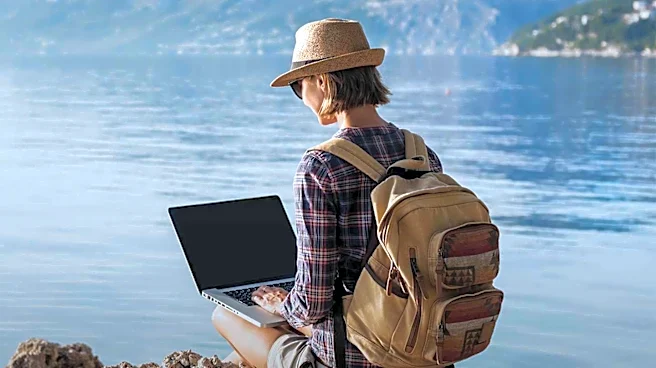
Maria Laposata and her husband, Nick, have shifted their travel approach from traditional two-week vacations to monthlong working holidays. After experiencing dissatisfaction with short trips that left them feeling more stressed, they decided to integrate
work with travel. Their first experiment with this new travel style took them to the South of France, where they balanced work commitments with leisurely exploration of the region. This approach allowed them to enjoy a more relaxed pace, visiting over 20 towns without the pressure to maximize every moment. The couple found this method more fulfilling, as it eliminated the post-vacation dread often associated with returning to work.
Why It's Important?
This shift in travel habits reflects a broader trend towards more flexible work arrangements and the blending of work and leisure. As remote work becomes more prevalent, individuals are exploring new ways to maintain work-life balance while satisfying their travel desires. This approach can lead to increased productivity and job satisfaction, as employees are able to recharge without the stress of a traditional vacation. It also highlights the potential for travel industries to adapt by offering services that cater to long-term stays and remote work needs, potentially reshaping the tourism landscape.
What's Next?
As more people adopt this travel style, there may be increased demand for accommodations and services that support long-term stays and remote work. This could lead to the development of new travel packages and amenities tailored to digital nomads and remote workers. Employers might also consider offering more flexible work arrangements to accommodate employees' desires for extended travel. The success of this approach could inspire others to rethink their travel habits, potentially leading to a cultural shift in how vacations are perceived and planned.