





What's Happening?
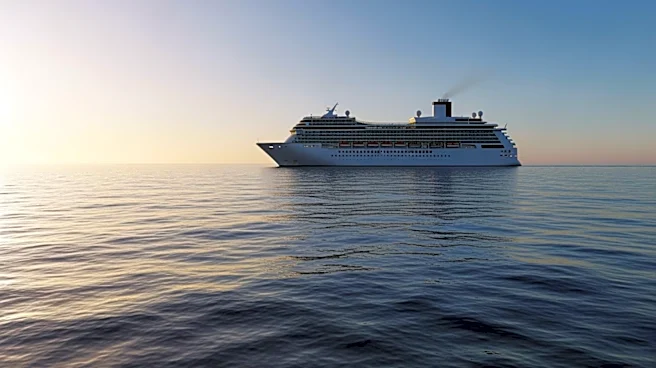
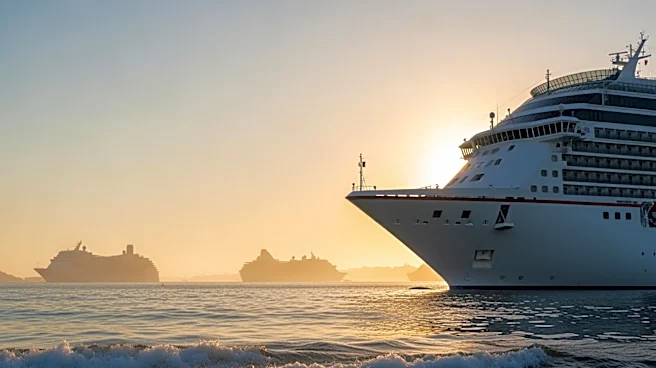
The cruise industry is experiencing steady growth, with demand exceeding supply due to limited shipbuilding capacity. Despite the industry's potential, less than five percent of Americans have ever been on a cruise, presenting a significant opportunity
for expansion. Cruise lines are actively working to attract first-time cruisers by addressing common concerns such as seasickness, claustrophobia, and misconceptions about cruises being solely 'booze cruises.' The industry is leveraging advertising campaigns across various media platforms to highlight the diverse experiences offered by different cruise lines, from family-friendly to upscale options. River cruising is also gaining popularity among educated and sophisticated adults, providing an alternative to ocean cruises.
Why It's Important?
The cruise industry's growth potential is significant, as it remains a relatively small segment compared to land-based hospitality businesses. With demand outpacing supply, cruise companies have substantial pricing power, which can lead to increased profitability. Attracting first-time cruisers is crucial for expanding the customer base and sustaining growth. The industry's efforts to diversify offerings and improve perceptions can lead to broader acceptance and increased participation. This growth can have positive economic impacts, including job creation in shipbuilding, hospitality, and tourism sectors. Additionally, increased cruise activity can boost local economies at various ports of call, benefiting businesses and communities.
What's Next?
Cruise lines are expected to continue their efforts to attract new customers through targeted marketing campaigns and by enhancing onboard experiences. As the industry grows, there may be increased investment in shipbuilding to meet demand, potentially leading to advancements in cruise ship design and technology. The focus on sustainability and environmental impact is likely to intensify, with cruise companies exploring eco-friendly practices and technologies. Stakeholders, including local governments and tourism boards, may collaborate with cruise lines to maximize economic benefits while addressing environmental concerns. The industry may also see increased competition as new players enter the market, driving innovation and improvements.
Beyond the Headlines
The cruise industry's expansion could lead to broader cultural exchanges as more people experience diverse destinations and cultures. Ethical considerations regarding environmental impact and sustainable tourism practices may become more prominent, prompting industry-wide changes. The growth of river cruising highlights a shift towards more personalized and intimate travel experiences, catering to niche markets. Long-term, the industry's evolution may influence global travel trends, with cruising becoming a more mainstream vacation option. As the industry adapts to changing consumer preferences, it may also play a role in shaping future travel norms and expectations.