







What's Happening?
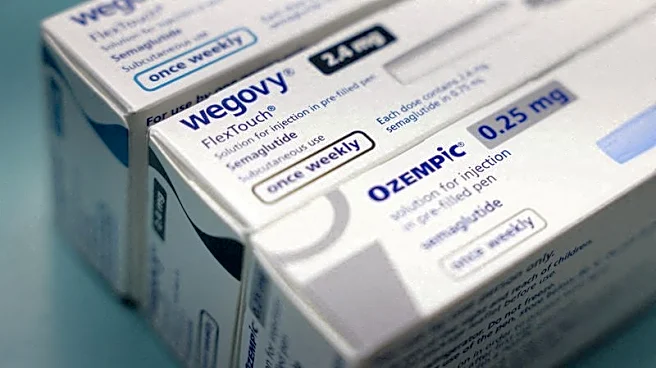
Eli Lilly, a major pharmaceutical company, has announced an additional $4.5 billion investment in its U.S. facilities, specifically in Indiana, to counteract the potential impact of tariffs on imported medicines. This move is part of a broader strategy
by the company to reduce reliance on foreign pharmaceutical ingredients, particularly from China. The investment will enhance Lilly's Lebanon campus, which includes facilities for genetic medicine manufacturing and active pharmaceutical ingredient production. This expansion is in response to the Trump administration's tariff policies, which have prompted several pharmaceutical companies to increase domestic production to avoid import tariffs.
Why It's Important?
The expansion by Eli Lilly highlights the significant impact of tariff policies on the pharmaceutical industry. By increasing domestic production, companies like Lilly aim to mitigate the risks associated with import tariffs, which can increase costs and disrupt supply chains. This shift could lead to greater self-sufficiency in the U.S. pharmaceutical sector, potentially reducing dependency on foreign suppliers. However, the increased investment costs may not immediately translate to lower drug prices for consumers. The broader economic implications include potential job creation and increased economic activity in regions where these facilities are located.
What's Next?
As Eli Lilly and other pharmaceutical companies continue to invest in U.S. facilities, the industry may see a gradual shift towards more domestic production. This could lead to changes in the global pharmaceutical supply chain, with potential impacts on international trade relations. The U.S. government may continue to adjust tariff policies, influencing further investment decisions by pharmaceutical companies. Additionally, the success of these investments in reducing costs and improving supply chain resilience will be closely monitored by industry stakeholders.