




What's Happening?
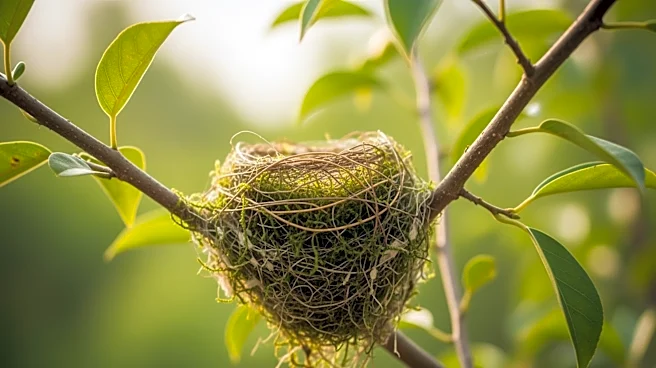
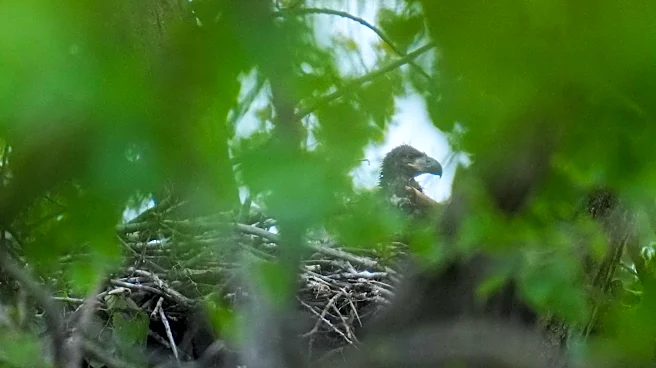
Inchworms, the caterpillars of geometer moths, are a common sight in spring, dangling from trees on silken threads. These caterpillars, known for their unique looping movement, play a crucial role in the ecosystem. They serve as a vital food source for songbirds
during their nesting season, providing essential protein and fat. Inchworms are not just a curiosity but an integral part of the food web, supporting the survival of various bird species.
Why It's Important?
The presence of inchworms highlights the interconnectedness of ecosystems. As a primary food source for birds, they contribute to the health and diversity of avian populations. This, in turn, affects the broader ecological balance, as birds play roles in seed dispersal and pest control. Understanding the role of inchworms can inform conservation efforts and highlight the importance of preserving natural habitats.
What's Next?
As spring progresses, the focus may shift to monitoring bird populations and their reliance on caterpillars like inchworms. Conservationists might advocate for the protection of habitats that support these caterpillars, ensuring the continued health of bird species. Public education campaigns could emphasize the importance of biodiversity and the role of seemingly small creatures in maintaining ecological balance.
Beyond the Headlines
The study of inchworms and their ecological role can lead to a greater appreciation of biodiversity and the need for conservation. It underscores the importance of maintaining natural habitats and the potential consequences of disrupting these ecosystems. This awareness can drive policy changes and community initiatives aimed at preserving biodiversity.