






What's Happening?
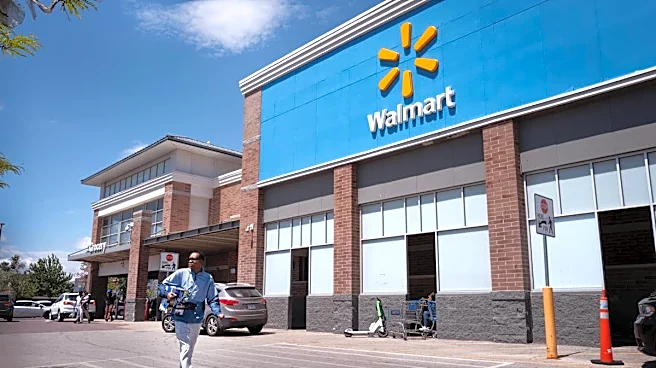
A Walmart receipt from 2006 has gone viral, showcasing the stark contrast between past and present grocery prices. The receipt, shared by a social media user, reveals that $161.87 was spent on 79 items, a cost that would be significantly higher today.
The viral post has sparked discussions about inflation, with many noting the dramatic increase in prices for staples like eggs, tomatoes, and cereal. The U.S. is currently experiencing high inflation, exacerbated by global conflicts and supply chain issues, leading to increased food and energy prices. The Labor Department reported a 2.9% rise in food prices in April compared to the previous year.
Why It's Important?
The viral receipt underscores the impact of inflation on everyday consumers, particularly affecting families who are now spending significantly more on groceries. This trend highlights the economic pressures faced by households, as rising costs outpace wage growth. The situation is further complicated by global factors such as conflicts and supply chain disruptions, which contribute to price volatility. The increased cost of living can lead to reduced consumer spending in other areas, potentially slowing economic growth. It also emphasizes the need for effective policy measures to address inflation and support consumers.
What's Next?
As inflation continues to affect grocery prices, consumers may increasingly turn to budget-friendly retailers to manage expenses. Policymakers may need to consider interventions to stabilize prices and support households. Additionally, businesses may need to adapt to changing consumer behaviors and preferences. The ongoing economic challenges could prompt further discussions on wage policies and cost-of-living adjustments to help mitigate the impact on consumers.