
What's Happening?
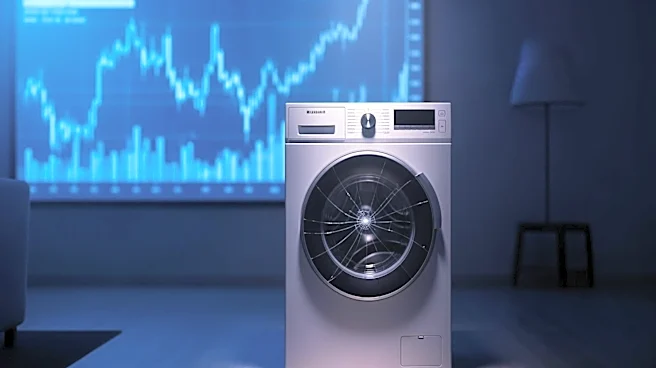
Whirlpool's stock has dropped to a 15-year low following a significant reduction in its profit outlook for the year. CEO Marc Bitzer attributed the decline to a combination of factors, including the ongoing
Iran war, which has negatively impacted consumer sentiment. The company reported a 12% decrease in stock value after missing net sales forecasts and suspending its dividend. Whirlpool has faced multiple challenges, such as a tight housing market and tariff issues, which have compounded its financial difficulties. The company has struggled to adapt to the AI age, with demand for its high-end appliances remaining weak.
Why It's Important?
Whirlpool's financial struggles highlight the broader challenges faced by traditional manufacturing companies in adapting to modern economic conditions. The Iran war's impact on consumer sentiment underscores the interconnectedness of global events and domestic economic performance. Whirlpool's situation also reflects the difficulties in navigating tariff policies and a competitive market landscape. The company's experience serves as a cautionary tale for other manufacturers, emphasizing the need for strategic adaptation and innovation to remain competitive in a rapidly changing environment.
What's Next?
Whirlpool will need to reassess its strategies to address the ongoing challenges and stabilize its financial performance. This may involve exploring new markets, investing in innovation, and adjusting pricing strategies to better align with consumer demand. The company will also need to monitor geopolitical developments and their potential impact on consumer behavior. As Whirlpool navigates these challenges, its actions could influence broader industry trends and inform strategies for other companies facing similar headwinds.