


What's Happening?
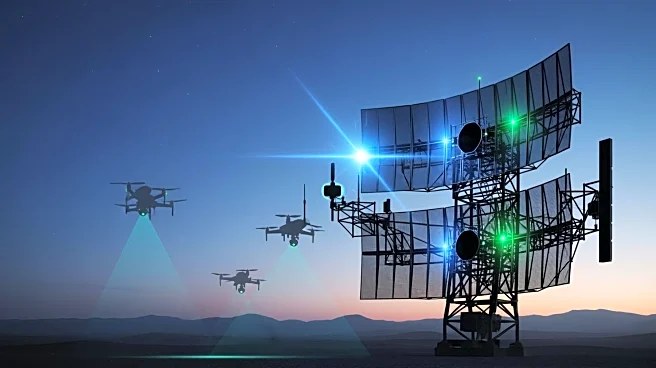
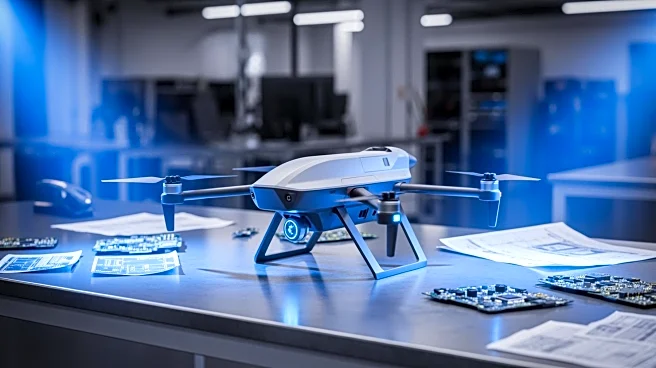
The defense technology sector is experiencing a surge in start-up activity, driven by advancements in artificial intelligence, autonomous systems, and sensing technologies. This trend is reshaping the defense landscape, traditionally dominated by large
contractors. Start-ups like Anduril Industries and Shield AI are leading this transformation by developing autonomous defense systems and AI-powered drones. However, entering the defense market presents unique challenges. Unlike typical software start-ups, defense tech companies face long sales cycles, extensive testing, and complex procurement processes. These companies often need to navigate bureaucratic hurdles and establish relationships with procurement authorities. Additionally, many successful defense start-ups adopt a dual-use strategy, developing technologies that serve both civilian and defense markets to generate revenue while awaiting government contracts.
Why It's Important?
The rise of defense tech start-ups is significant for several reasons. It introduces innovation and agility into a sector known for its slow pace and bureaucratic processes. By leveraging AI and other technologies, these start-ups can develop capabilities that challenge the traditional advantages of large defense contractors. This shift could lead to more efficient and effective defense solutions, potentially enhancing national security. Moreover, the dual-use strategy allows these companies to remain financially viable while navigating long procurement cycles, ensuring sustained innovation. The growing interest from venture capitalists in defense tech further underscores the sector's potential for growth and impact.
What's Next?
As defense tech start-ups continue to grow, they may face increased scrutiny regarding export regulations and operational demand validation. Founders will need to engage with procurement officials and regulatory experts early in the development process to ensure compliance and successful integration into defense systems. Additionally, the evolving geopolitical landscape, including conflicts and strategic competition, may drive further investment and innovation in defense technology. Start-ups that can effectively navigate these challenges and demonstrate operational relevance are likely to secure more government contracts and venture capital funding.
Beyond the Headlines
The defense tech sector's transformation could have broader implications for global security dynamics. As start-ups introduce new technologies, traditional defense contractors may need to adapt to remain competitive. This could lead to increased collaboration between large contractors and start-ups, fostering a more dynamic and innovative defense industry. Furthermore, the emphasis on dual-use technologies highlights the interconnectedness of civilian and military applications, potentially leading to advancements in areas like disaster response and infrastructure monitoring.