
What's Happening?
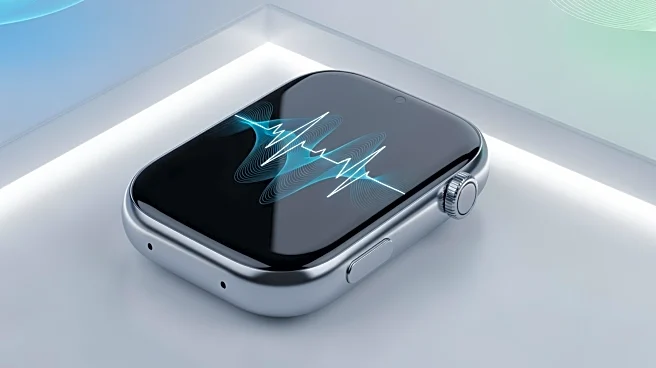
Meta has announced the revival of its 'Malibu 2' smartwatch project, aiming for a 2026 release. This device will feature an AI assistant and health tracking capabilities, marking Meta's entry into a market currently dominated by Apple and Samsung. The
move is part of a broader strategy to shift from headsets to everyday wearables, as Meta's Reality Labs continues to develop multiple AR/MR glasses, with the Phoenix MR delayed to 2027. The Malibu 2 is expected to integrate AI at the user's wrist, enhancing daily tasks but also raising concerns about privacy and battery life. The demand for lightweight AR experiences is evident, with Ray-Ban Display shipments reaching 6 million units last year.
Why It's Important?
The introduction of the Malibu 2 smartwatch by Meta is significant as it aligns with the ongoing AI and health-tech boom, intensifying competition in the wearable device market. This development could accelerate the adoption of AI in consumer electronics, providing continuous health data and generative assistance. The move is strategic, potentially benefiting early adopters and health app developers. However, it also poses challenges related to privacy and battery performance, which could impact user trust and satisfaction. The market's readiness for AI-integrated wearables will be tested, influencing future product development and consumer expectations.
What's Next?
As Meta prepares for the 2026 launch of the Malibu 2, industry stakeholders will closely monitor the device's reception and performance. Developers will focus on optimizing APIs and battery specifications to meet consumer demands. The response from competitors like Apple will be crucial, as they may introduce new features or products to maintain market share. Regulatory bodies might also become involved, addressing privacy concerns associated with AI and health data. The success of the Malibu 2 could set a precedent for future wearable technologies, influencing design and functionality standards across the industry.