

What's Happening?
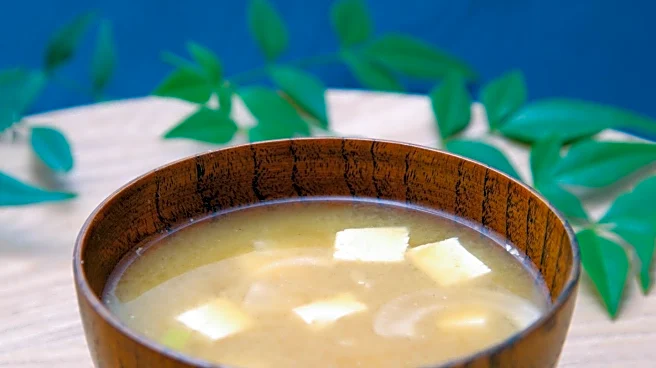
Research and historical accounts suggest that miso, a traditional Japanese soybean paste, may offer protection against radiation exposure. After the atomic bomb was dropped on Nagasaki, physician Tatuichiro Akizuki observed that neither he nor his staff
suffered from acute radiation disease, which he attributed to their daily consumption of miso soup with wakame seaweed. This observation has led to further studies on miso's radioprotective properties. Miso contains genistein, a phytochemical that can inhibit blood flow to cancerous tumors, potentially serving as a cancer therapy by targeting cancer cells while sparing normal cells. Additionally, miso is rich in probiotics and protein, contributing to digestive health and overall nutrition.
Why It's Important?
The potential of miso as a protective agent against radiation and as a cancer therapy could have significant implications for public health and medical treatments. If further research confirms these benefits, miso could be integrated into dietary recommendations for individuals at risk of radiation exposure, such as cancer patients undergoing radiation therapy. This could lead to new dietary guidelines and therapeutic strategies that incorporate natural food products to enhance health outcomes. Moreover, the findings could stimulate interest in traditional foods and their potential health benefits, influencing both consumer behavior and food industry trends.
What's Next?
Further scientific research is needed to validate the radioprotective and anti-cancer properties of miso in humans. Clinical trials could be conducted to assess the efficacy and safety of miso as a complementary treatment for cancer patients. Additionally, public health organizations might consider funding studies to explore the broader applications of miso in radiation protection. If proven effective, these findings could lead to policy changes in dietary recommendations and cancer treatment protocols, potentially impacting healthcare practices and food industry standards.
Beyond the Headlines
The exploration of miso's health benefits highlights the importance of traditional foods in modern medicine. It raises questions about the integration of cultural dietary practices into contemporary health strategies. This development also underscores the need for a multidisciplinary approach in health research, combining insights from nutrition, oncology, and radiology. Furthermore, it may encourage a reevaluation of the role of diet in disease prevention and management, promoting a holistic view of health that includes both conventional and alternative therapies.