




What's Happening?
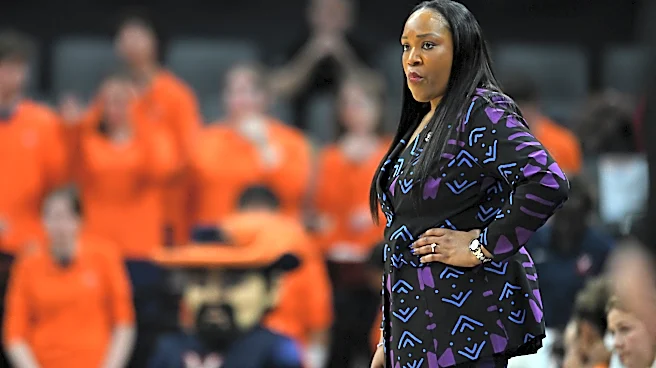
ESPN reporter Holly Rowe recently deleted a social media post criticizing Tennessee athletic director Danny White over the state of the university's women's basketball program. Rowe, a prominent figure in women's sports broadcasting, expressed her disappointment
with the program's decline under head coach Kim Caldwell, particularly after a challenging season that saw key players leave and a poor team performance. The post, which was later removed, highlighted Rowe's concern over the program's direction and White's management. The decision to delete the post may have been influenced by ESPN's business interests or Rowe's desire to maintain professional relationships. Despite the criticism, White has publicly supported Caldwell, emphasizing her capabilities and the program's potential for improvement.
Why It's Important?
Rowe's criticism and subsequent retraction underscore the tensions within sports organizations when dealing with public scrutiny and internal challenges. The situation highlights the delicate balance media figures must maintain between expressing personal opinions and adhering to professional obligations. For Tennessee's women's basketball program, the public attention could pressure the administration to address the issues affecting the team's performance and reputation. The incident also reflects broader challenges in collegiate sports, where program success is closely tied to leadership decisions and public perception. The outcome of this situation could influence how athletic departments handle criticism and manage their relationships with media partners.
What's Next?
Moving forward, Tennessee's athletic department will likely focus on rebuilding the women's basketball program and addressing the concerns raised by Rowe and others. This may involve strategic changes in recruitment and team management to restore the program's former glory. For Rowe, the incident serves as a reminder of the complexities involved in sports journalism, particularly when personal opinions intersect with professional responsibilities. The broader sports community will be watching to see how Tennessee navigates these challenges and whether the program can regain its competitive edge. The situation may also prompt discussions about the role of media in shaping public perceptions of sports programs.