
What's Happening?
Formula One leaders have reached an agreement to modify engine regulations for the 2027 and 2028 seasons. This decision aims to address dissatisfaction among drivers, notably Max Verstappen, who has criticized
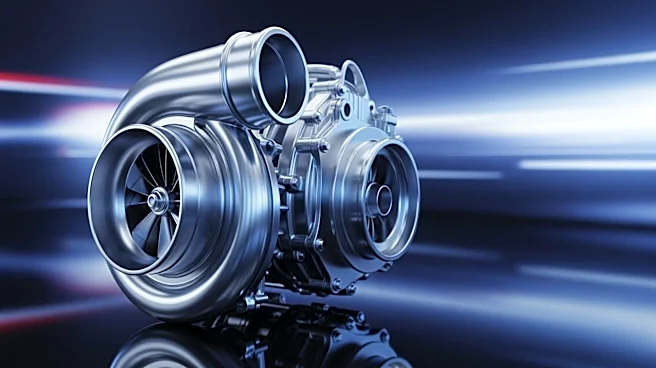
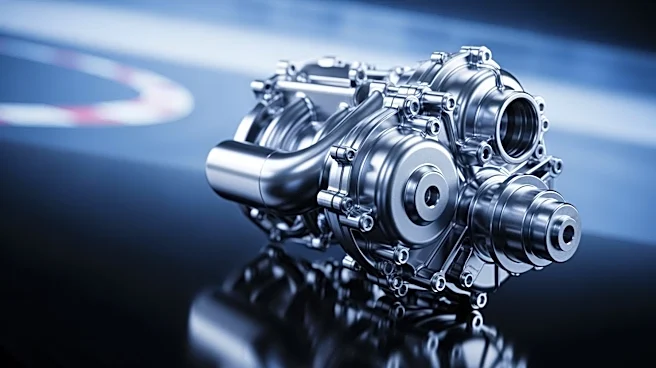
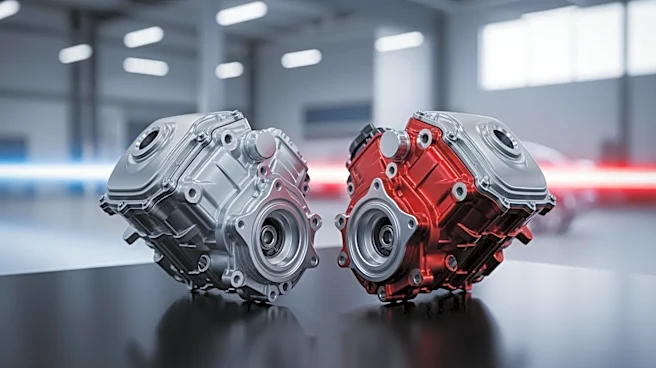
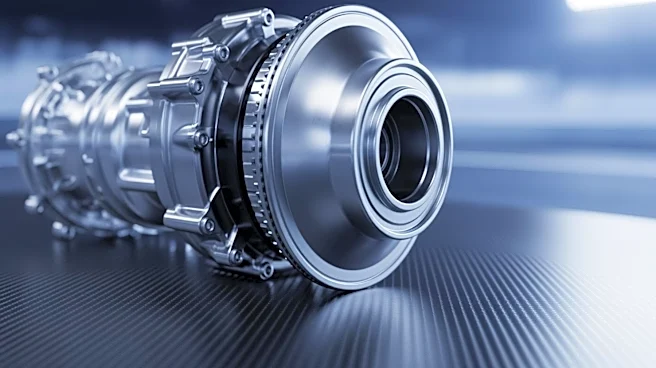
the current engine rules as 'anti-racing.' The changes involve adjusting the power split between internal combustion engines and electrical energy, moving from the current 53-47 split to 58-42 in 2027 and 60-40 in 2028. These modifications are intended to reduce the focus on energy management during races, which has been a point of frustration for drivers. The changes are pending approval by the world motorsport council, with a decision expected at their next meeting in Macau on June 23.
Why It's Important?
The proposed engine changes are significant as they aim to enhance the racing experience by allowing drivers to focus more on driving rather than energy management. This could lead to more competitive and exciting races, potentially increasing viewership and fan engagement. For manufacturers, the changes represent a compromise that avoids major hardware overhauls, which could have been costly. The decision also reflects the sport's responsiveness to driver feedback, particularly from high-profile figures like Max Verstappen, which could influence future regulatory decisions.
What's Next?
The next step involves the formal approval of these changes by the world motorsport council. If approved, teams and manufacturers will need to adapt to the new regulations, which may involve adjustments in car design and strategy. The outcome of the council's decision will likely influence the dynamics of the 2027 and 2028 seasons, with potential impacts on team performance and competition. Stakeholders will be closely monitoring the situation, especially as drivers like Verstappen express their views on the changes.