


What's Happening?
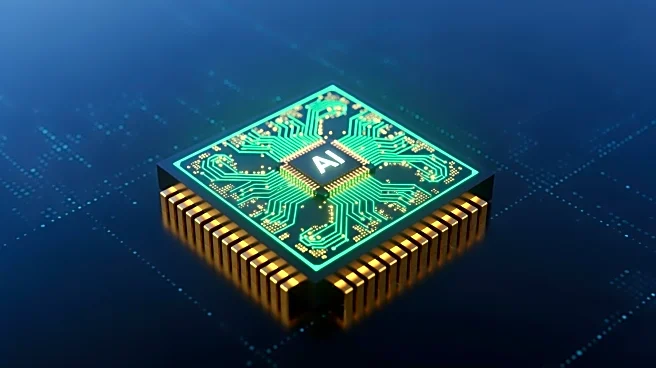
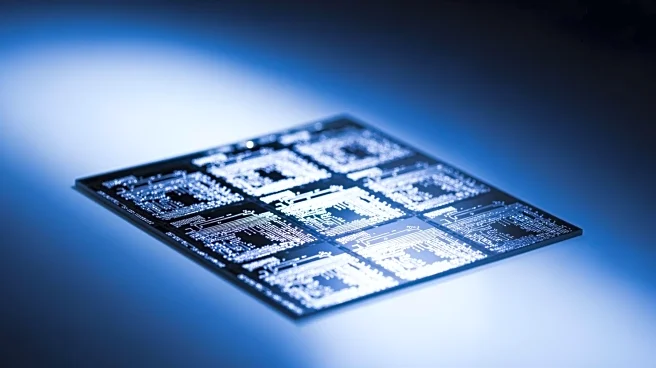
Nvidia's GPU chips are recognized for their exceptional power in enabling vehicle autonomy, a critical component for the future of electric vehicles (EVs). However, these chips generate significant heat, necessitating expensive cooling systems and electrical
upgrades. This presents a challenge, particularly for gasoline-powered vehicles, which are less adaptable to these requirements compared to EVs. Despite these trade-offs, many automakers are committed to integrating Nvidia's chips into their vehicles, while some competitors are exploring alternative chip architectures that might better suit their needs.
Why It's Important?
The integration of Nvidia's chips into autonomous vehicles is a significant development in the automotive industry, highlighting the growing importance of advanced technology in vehicle design. The need for costly cooling systems and electrical upgrades underscores the challenges automakers face in balancing performance with practicality. This situation could influence the direction of future vehicle designs, particularly as the industry moves towards greater electrification. Automakers that successfully integrate these chips could gain a competitive edge in the rapidly evolving market for autonomous and electric vehicles.
What's Next?
As automakers continue to adopt Nvidia's chips, the industry may see increased investment in developing more efficient cooling systems and electrical infrastructures. This could lead to innovations that make these technologies more accessible and cost-effective. Additionally, the pursuit of alternative chip architectures by some competitors suggests that the market may diversify, offering a range of solutions tailored to different vehicle types and consumer needs. The ongoing evolution of chip technology will likely play a crucial role in shaping the future of autonomous and electric vehicles.