



What's Happening?
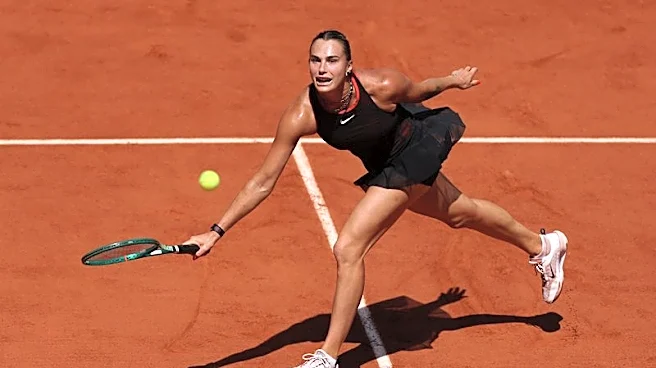
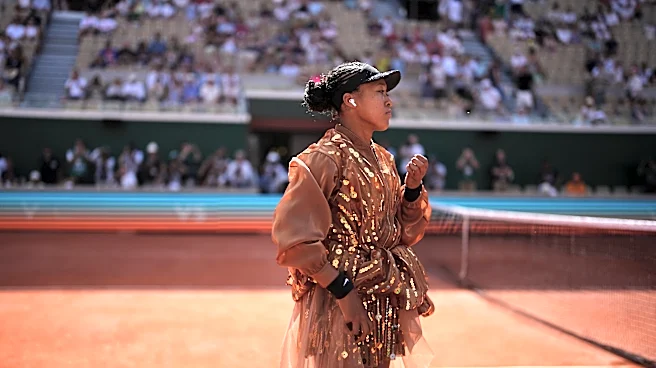
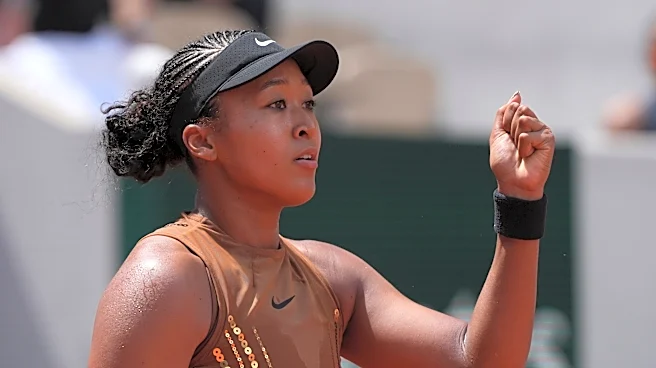
The French Open is set to feature a women's match in its night session for the first time in three years. Aryna Sabalenka, the current world No. 1, will face former No. 1 Naomi Osaka in a fourth-round match. This event marks a significant shift as the night sessions
have predominantly featured men's matches since their introduction in 2021. Tournament director Amelie Mauresmo has faced criticism for this gender imbalance, with only four of the first 60 night matches being women's singles. The decision to feature Sabalenka and Osaka comes after the early exits of top male players like Jannik Sinner and Novak Djokovic, as well as Carlos Alcaraz's withdrawal due to injury.
Why It's Important?
This development is significant as it addresses ongoing concerns about gender equality in tennis, particularly in high-profile tournaments like the French Open. The inclusion of a women's match in the night session could set a precedent for future scheduling, potentially leading to more balanced representation. This change could also influence public perception and viewership, as it challenges the notion that men's matches are inherently more valuable or entertaining. The decision may encourage other tournaments to reevaluate their scheduling practices, promoting greater visibility and opportunities for female athletes.
What's Next?
The outcome of the Sabalenka-Osaka match could influence future scheduling decisions at Roland-Garros and other major tournaments. If the match draws significant viewership and positive feedback, it may lead to more frequent inclusion of women's matches in prime-time slots. Additionally, the performance of both players could impact their rankings and momentum in the tournament. Stakeholders, including players, sponsors, and broadcasters, will likely monitor the response to this scheduling change closely, potentially advocating for further adjustments in the future.