






What's Happening?
President Trump has doubled tariffs on foreign steel to 50%, significantly impacting the U.S. economy. The tariffs, initially intended to protect domestic steel production, have led to increased prices for products that use tinplate steel, such as canned
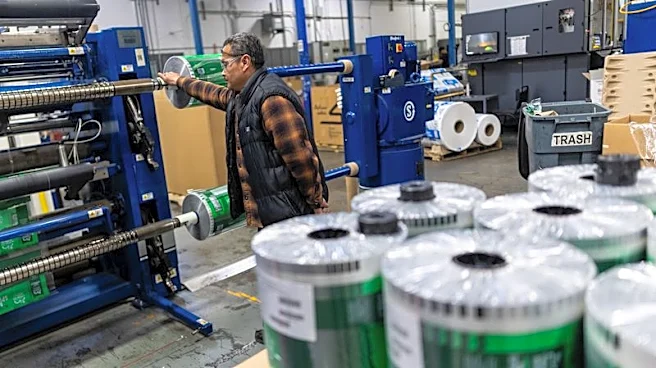
foods and beverages. Domestic production of tinplate steel meets only about 30% of demand, with no immediate prospects for increased production. As a result, the tariffs have been passed through as higher prices on grocery items. Major food brands like Campbell's and Kraft Heinz are facing increased costs, leading to plant closures and job losses. The tariffs have also affected the aluminum market, crucial for beverage cans, further driving up costs for consumers.
Why It's Important?
The tariffs have unintended consequences, affecting the cost of everyday goods for American families. The increased prices on canned foods and beverages highlight the broader economic impact of trade policies. The food can sector, which employs thousands, is under threat, with significant job losses already occurring. The tariffs also affect the aluminum market, impacting brewers and soft drink companies, which face billions in extra costs. These developments underscore the complex interplay between trade policies and domestic economic health, with potential long-term implications for U.S. industries and consumers.
What's Next?
There is a call for President Trump to reconsider the tariffs on tinplate steel and aluminum to alleviate the financial burden on American families. The administration has already exempted certain food products from global tariffs, suggesting a potential for similar actions regarding packaging materials. The ongoing economic pressures may prompt further policy adjustments to balance trade protection with consumer interests.