
What's Happening?
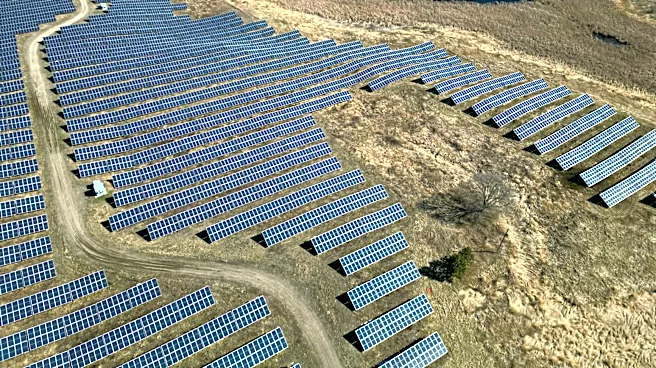
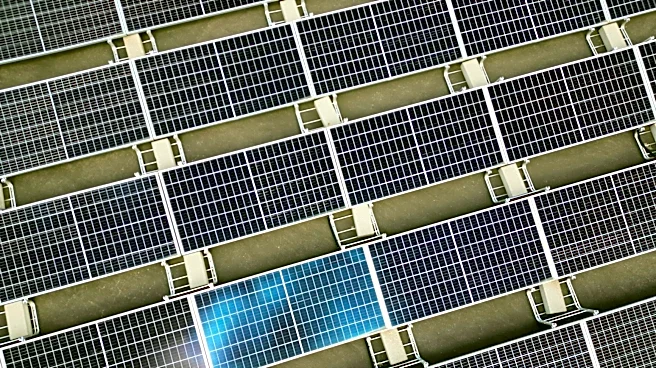
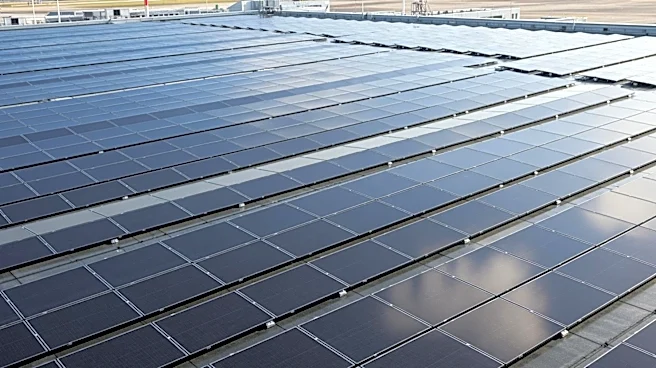
The Port Authority of New York and New Jersey has announced a significant expansion of solar energy infrastructure at Newark Liberty International Airport. This project will add approximately 5 megawatts
of generating capacity across five sites at the airport, producing nearly 5.9 million kilowatt-hours of clean electricity annually. The expansion is part of the Port Authority's commitment to sustainability and its goal to reach net-zero emissions by 2050. The solar installations will be developed in partnership with SunLight General Capital and are expected to be completed by 2028. This initiative is part of a broader effort to increase renewable energy capacity across the Port Authority's facilities.
Why It's Important?
The expansion of solar energy at Newark Airport is a critical step in reducing carbon emissions and promoting clean energy use in major transportation hubs. By increasing solar capacity, the Port Authority is setting a precedent for other airports and transportation agencies to follow. This project not only supports environmental goals but also provides economic benefits by creating jobs and reducing energy costs. The initiative aligns with broader state and national efforts to transition to renewable energy sources, contributing to climate change mitigation and energy independence. The project also highlights the role of public-private partnerships in advancing sustainable infrastructure development.
What's Next?
As the solar expansion project progresses, the Port Authority will continue to monitor and report on its impact on emissions reduction and energy savings. The success of this initiative could lead to further investments in renewable energy at other facilities managed by the Port Authority. Additionally, the project may influence policy decisions and encourage similar sustainability efforts in other regions. Stakeholders, including government officials, environmental groups, and the public, will likely keep a close watch on the project's outcomes to assess its effectiveness and potential for replication.