






What's Happening?
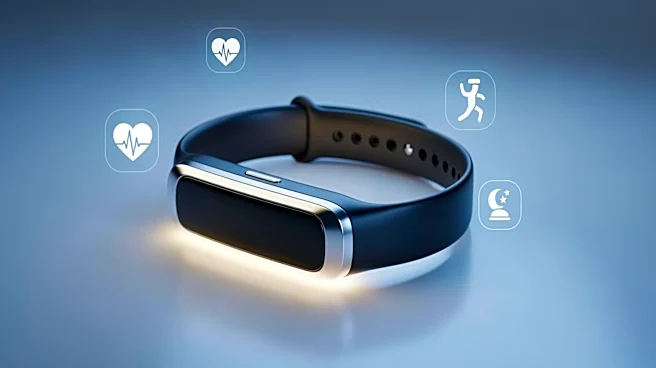
Wearable health-tracking devices, such as smartwatches and fitness trackers, are increasingly being used by individuals to monitor various health metrics. However, there is growing concern that these devices may be causing more harm than good. Users like
Katie Anne Hayes have reported becoming overly reliant on these devices, leading to stress and anxiety. Hayes, who initially used a Garmin watch to manage long Covid symptoms, found herself obsessively checking her 'Body Battery' feature, which led to a negative feedback loop. Experts warn that while these devices provide a wealth of data, they often lack the necessary context or accuracy to be truly beneficial. The global wearables tech industry is booming, with revenues expected to reach $230 billion by 2033, but the utility of the data provided by these devices is being questioned.
Why It's Important?
The proliferation of wearable health-tracking devices highlights a significant shift in how individuals engage with their health. While these devices offer the promise of personalized health insights, they also risk creating a dependency on data that may not be clinically validated. This can lead to unnecessary stress and potentially harmful health decisions. The trend reflects broader issues in the healthcare system, where preventive care is often seen as inadequate, prompting individuals to seek alternative solutions. The financial implications are also notable, as the pursuit of health optimization can lead to significant personal and systemic costs. The challenge lies in balancing the benefits of self-monitoring with the potential for data overload and misinterpretation.
Beyond the Headlines
The rise of wearable health technology raises ethical and cultural questions about the role of technology in personal health management. As individuals increasingly rely on devices for health insights, there is a risk of diminishing personal agency and intuition in health decisions. The trend also underscores the need for improved health literacy and critical engagement with technology. Furthermore, the integration of AI in interpreting health data introduces additional complexities, as AI-generated insights may not always align with clinical realities. This development calls for a reevaluation of how health data is used and the potential consequences of over-reliance on technology-driven health solutions.