






What's Happening?
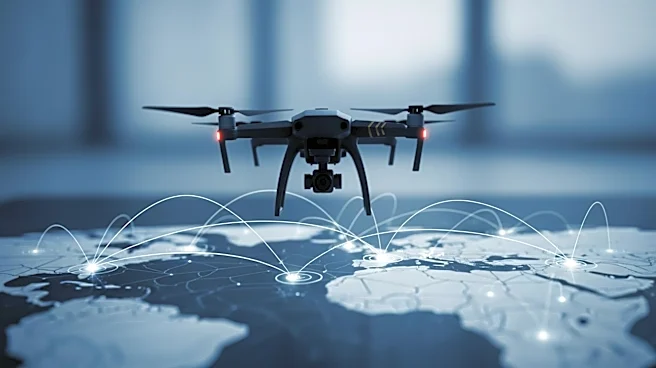
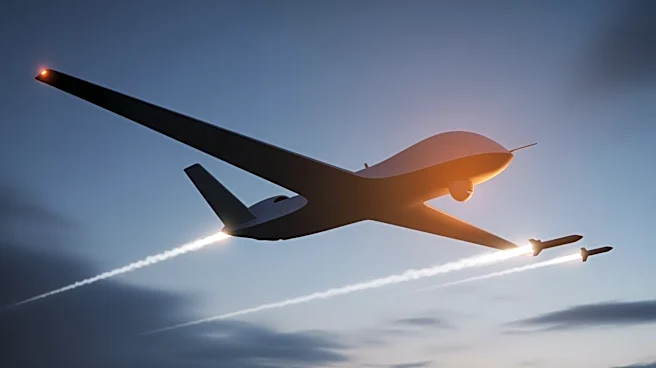
Robinson Unmanned President Paul Fermo emphasizes the importance of developing a comprehensive ecosystem for unmanned aircraft to maintain U.S. defense superiority. The focus is on creating adaptable, scalable, and enduring drone systems rather than merely
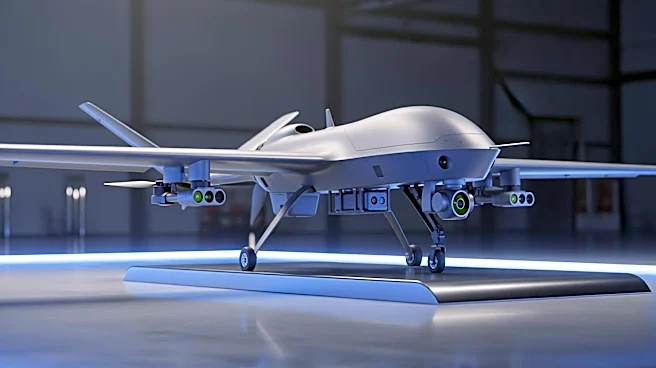
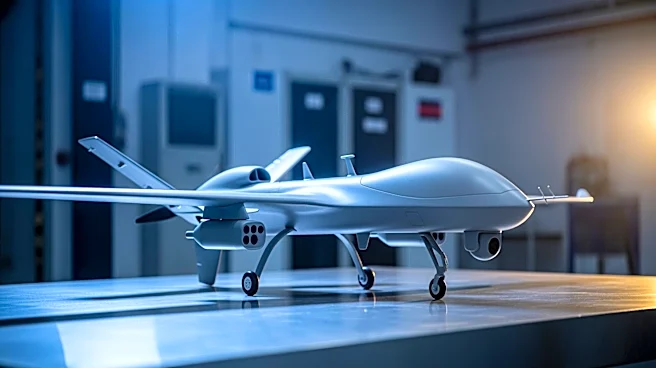
increasing the number of drones. Fermo highlights the need for open architecture in drone design, allowing for rapid integration of new technologies and capabilities. This approach supports a range of missions, from immediate situational awareness to logistics and resupply, while reducing risks to operators. The company aims to provide a diverse portfolio of drones, from small, soldier-deployable systems to large autonomous helicopters, all designed to be reliable and adaptable to changing mission requirements.
Why It's Important?
The development of a robust unmanned aircraft ecosystem is crucial for maintaining U.S. military advantage in modern warfare. By focusing on adaptable and enduring drone systems, the U.S. can ensure that its defense capabilities remain flexible and responsive to evolving threats. Open architecture allows for continuous innovation and integration of new technologies, which is essential given the rapid pace of advancements in drone technology. This approach not only enhances operational effectiveness but also supports domestic production and secure supply chains, which are vital for national security. The ability to deploy, sustain, and upgrade drones across various missions provides a significant strategic advantage.
What's Next?
As the U.S. continues to prioritize drone capabilities, defense leaders are expected to focus on investments in domestic production and secure supply chains. The emphasis will likely be on developing modular platforms that can be easily adapted to different mission profiles and environments. This strategy will require collaboration between the military and industry to ensure that drone systems are not only innovative but also reliable and manufacturable at scale. The ongoing development of open architecture systems will facilitate the integration of new technologies, ensuring that the U.S. maintains its edge in unmanned aviation.