






What's Happening?
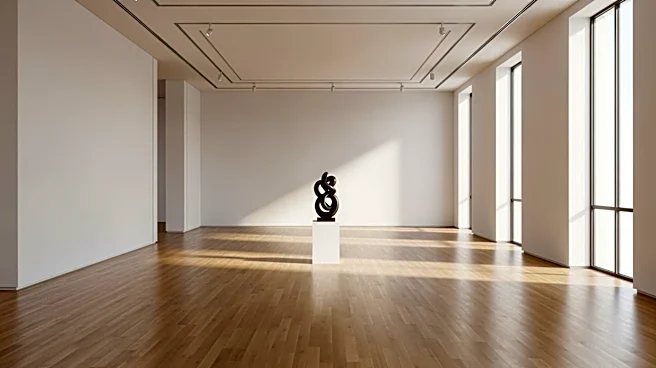
Tiwani Contemporary, a gallery based in London and Lagos known for showcasing contemporary African art, has announced its closure after 15 years of operation. The decision comes as a result of rising operational costs and broader market uncertainties,
according to a statement released by the gallery. Founded in 2011 by Maria Varnava, the gallery was a pioneering platform for African art in the UK, representing artists such as Gareth Nyandoro and Dawit L. Petros. Despite its success and expansion, including a second location in Lagos and participation in major art fairs, the gallery has decided to cease operations in its current format. The London space has already closed, and the Lagos location will undergo restructuring. The gallery has engaged corporate insolvency professionals to manage the closure process transparently.
Why It's Important?
The closure of Tiwani Contemporary highlights the challenges faced by art galleries in maintaining financial viability amid fluctuating market conditions. As a significant player in promoting African art, its closure may impact the visibility and commercial success of artists from the continent. The gallery's decision underscores the financial pressures within the art market, particularly for niche galleries that rely on a specific regional focus. This development may influence other galleries to reassess their business models and strategies in response to economic uncertainties. The closure also raises questions about the sustainability of art markets that depend heavily on speculative interest and the need for more stable support systems for artists and galleries.
What's Next?
The gallery's closure will likely lead to a period of reflection and potential restructuring within the African art market. Artists previously represented by Tiwani Contemporary may seek new representation, and collectors might adjust their focus to other galleries. The gallery's decision to withdraw from upcoming art fairs, such as Liste Basel, indicates a shift in the landscape of art exhibitions and sales. Stakeholders in the art community, including collectors, curators, and other galleries, may need to explore new collaborations and support mechanisms to sustain the momentum of African art in the global market.