
What's Happening?
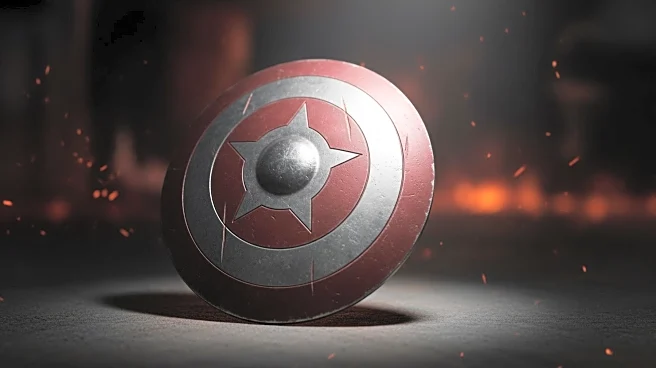
Marvel Studios has officially released the teaser trailer for 'Avengers: Doomsday,' confirming the return of Chris Evans as Steve Rogers/Captain America. The teaser, which had previously leaked, was shown
exclusively in theaters before 'Avatar: Fire and Ash' and is now available online. The trailer features a scene reminiscent of the closing moments of 'Avengers: Endgame,' with Steve Rogers appearing in a 1950s setting. The teaser also hints at the film's release date, December 18, 2026, and includes a Doctor Doom-themed Avengers logo. This release is part of a strategic four-part trailer rollout leading up to the film's debut.
Why It's Important?
The return of Steve Rogers is significant for Marvel Studios as it attempts to reignite interest in its cinematic universe, which has faced criticism for not successfully introducing new fan-favorite characters post-'Endgame.' The decision to bring back an original Avenger like Captain America is seen by some as a move to draw back audiences who may have lost interest due to recent underwhelming entries in the Multiverse Saga. This strategy could potentially boost box office performance and reinvigorate the franchise's appeal. However, it also raises questions about the studio's commitment to developing newer characters, such as Anthony Mackie's Sam Wilson, who had taken up the Captain America mantle.
What's Next?
Following the release of the Captain America teaser, Marvel plans to continue its promotional campaign with additional trailers focusing on other characters, including Thor and Doctor Doom. These trailers are expected to be released in the coming weeks, maintaining audience engagement and anticipation for 'Avengers: Doomsday.' The film's release is set for December 18, 2026, with 'Avengers: Secret Wars' scheduled to follow a year later. The success of these films will likely influence Marvel's future cinematic strategies and character development plans.
Beyond the Headlines
The decision to bring back Steve Rogers may have deeper implications for Marvel's storytelling approach. It highlights the challenge of balancing nostalgia with innovation in long-running franchises. The move could be seen as a reflection of the industry's broader trend of relying on established characters to ensure commercial success, potentially at the expense of creative risk-taking and diversity in storytelling.