





What's Happening?
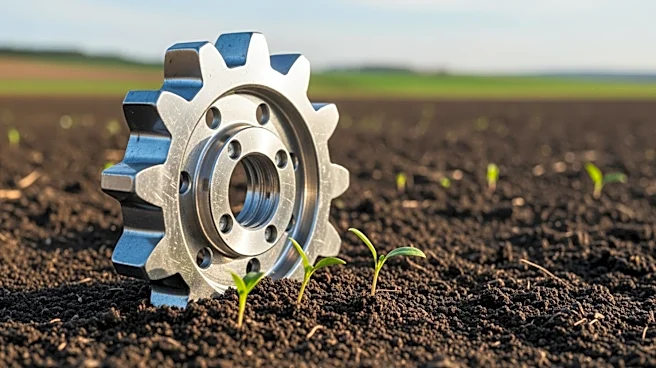
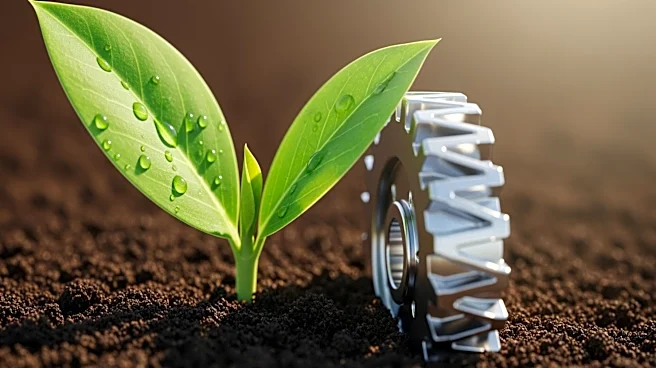
Reman Day, recognized globally and led by the Remanufacturing Industrial Council (RIC), emphasizes the benefits of remanufacturing used components to perform like new. This practice extends product life, reduces waste, and lessens the reliance on new raw
materials. Heath Joiner, Head of Parts & Service at CNH Australia and New Zealand, highlights the increasing relevance of remanufacturing for farm machinery maintenance amid rising fuel, freight, and input costs. CNH Reman has significantly reduced raw material consumption by refurbishing used components, with up to 85% of an engine being salvageable and remanufacturable multiple times. This approach not only supports farmers' financial bottom lines but also plays a critical role in reducing waste and conserving natural resources.
Why It's Important?
The remanufacturing of farm machinery parts offers substantial cost savings and environmental benefits. By requiring up to 85% less energy to produce compared to new components, remanufactured parts help reduce emissions across manufacturing and the broader supply chain. This practice is particularly beneficial for farmers facing financial pressures, as it helps lower costs, avoid expensive rebuilds, and maintain machinery uptime. CNH's global target of achieving 90% recyclability across new products by 2030 underscores the industry's commitment to sustainability. The initiative not only benefits the agricultural sector but also contributes to broader environmental conservation efforts.
What's Next?
As the agricultural industry continues to face external financial pressures, the adoption of remanufacturing practices is likely to increase. CNH Reman's commitment to providing OEM-backed remanufactured parts with warranties offers farmers peace of mind and encourages further adoption. The ongoing support from local dealers for remanufacturing New Holland machinery parts suggests a growing recognition of its benefits. The emphasis on keeping valuable materials in use for longer and reducing the need for new raw resources is expected to drive more industries, including agriculture, to embrace remanufacturing.