

What's Happening?
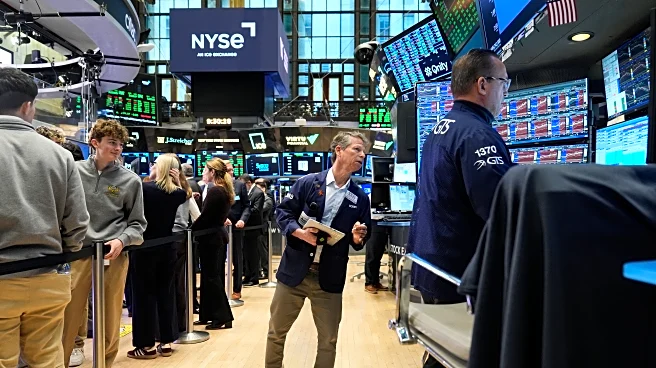
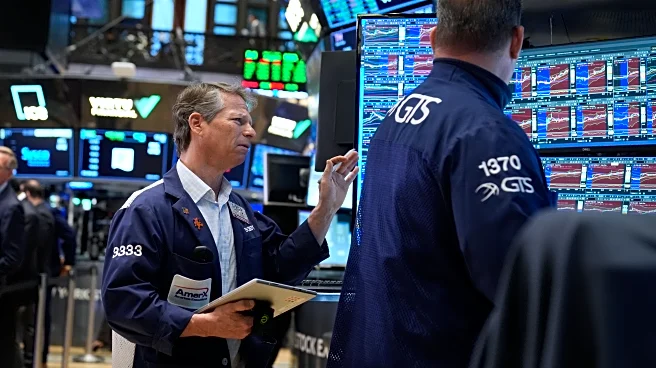
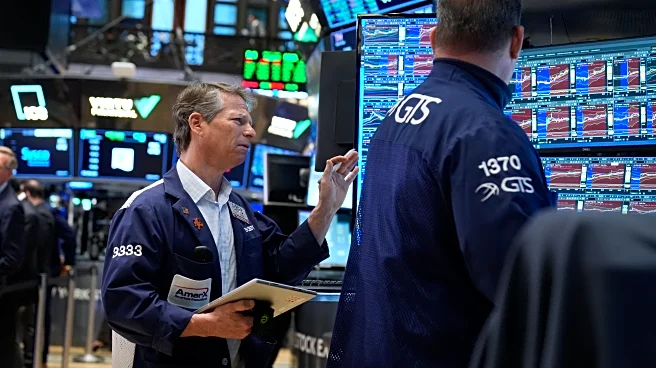
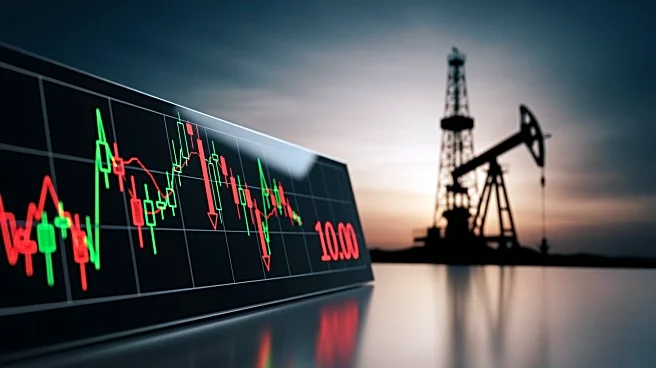
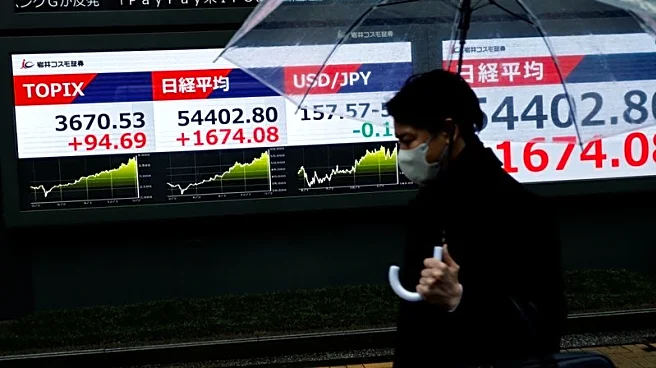
The U.S. stock market is experiencing significant volatility due to the ongoing conflict with Iran. The war has led to a sharp increase in oil prices, with Brent crude reaching as high as $119 per barrel. This surge has resulted in higher gasoline prices across
the United States, with the national average exceeding $4 per gallon for the first time since 2022. The conflict has also impacted the stock market, with the S&P 500 experiencing its worst quarterly performance since 2022. Energy stocks, however, have been among the best performers due to the rising oil prices. The Federal Reserve faces challenges in managing interest rates amidst this uncertainty, as cutting rates could spur inflation while maintaining high rates could hinder economic growth.
Why It's Important?
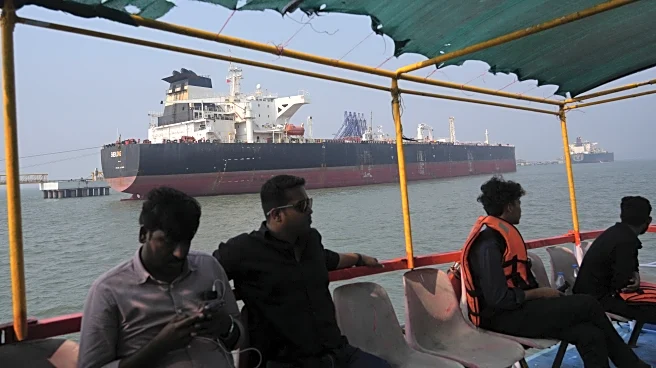
The volatility in the stock market and rising oil prices have significant implications for the U.S. economy. Higher gasoline prices increase costs for consumers and businesses, potentially leading to inflationary pressures. The Federal Reserve's decisions on interest rates will be crucial in balancing economic growth and inflation control. The conflict in Iran and its impact on the Strait of Hormuz, a critical oil transit route, further complicates the situation. Prolonged disruptions could lead to sustained high oil prices, affecting global markets and economic stability. Stakeholders, including investors and policymakers, must navigate these challenges to mitigate economic risks.
What's Next?
The future of the U.S. stock market and oil prices largely depends on the resolution of the conflict in Iran. Analysts expect continued volatility as long as the situation remains unresolved. The Federal Reserve's upcoming decisions on interest rates will be closely watched, as they will influence economic conditions. Additionally, any developments in diplomatic efforts to end the conflict could significantly impact market sentiment. Stakeholders will need to remain vigilant and adaptable to changing circumstances in the geopolitical landscape.